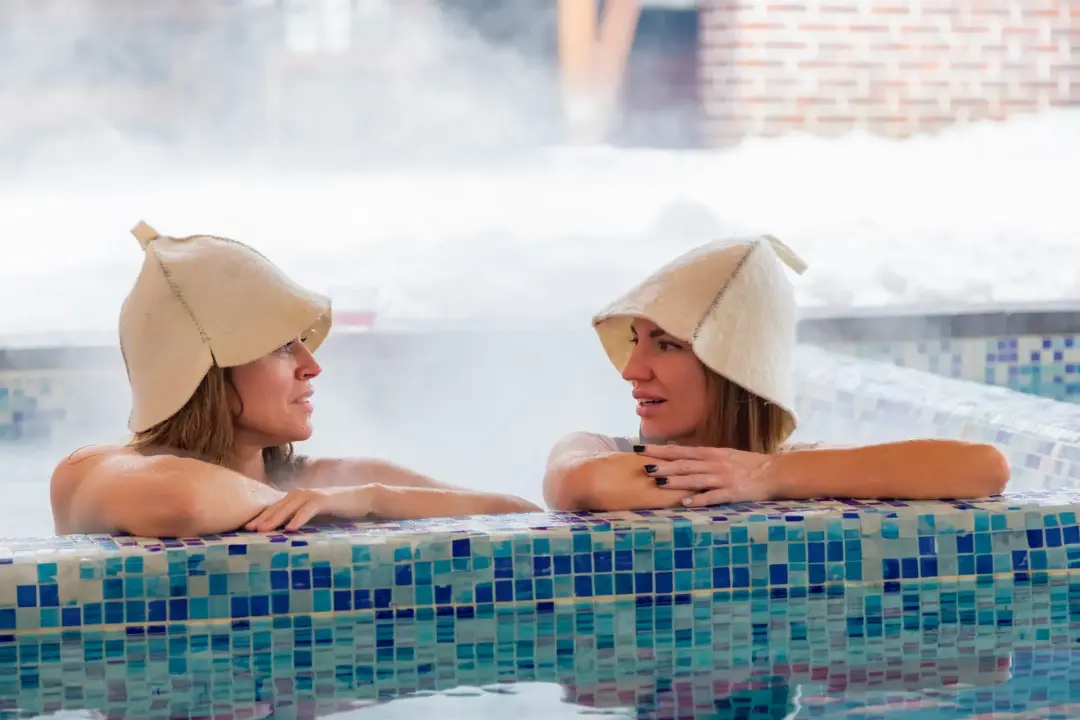
Hot tubs and swim spas are designed for year-round enjoyment, but freezing temperatures place extra strain on their plumbing, heating systems and insulated cabinets. Proper winter preparation can prevent expensive damage, reduce energy consumption and keep the water safe and inviting. Whether you intend to close your spa or continue using it throughout the colder months, a carefully planned approach is essential.
Why Winterising Your Hot Tub or Swim Spa Matters
Water expands when it freezes. If water remains trapped inside a pipe, pump, heater or jet assembly during a prolonged cold spell, this expansion can split components and damage seals. Even a small amount of water left in a narrow plumbing line may cause a crack that remains hidden until the spa is refilled. Repairs can require extensive investigation and, in some cases, the removal of panels, insulation or internal fittings.
Winter preparation also protects the condition of the shell, cabinet and cover. Standing water, fallen leaves and accumulated snow can stain surfaces or place unnecessary weight on the structure. Repeated freezing and thawing may make existing cracks worse, while moisture trapped inside the cabinet can encourage corrosion, mould and deterioration. Inspecting and cleaning these areas before winter gives minor defects less opportunity to develop into serious problems.
A properly maintained spa is more reliable and economical during cold weather. Clean filters, balanced water and an efficient cover reduce the workload placed on the circulation and heating systems. This is particularly important in winter because the heater must compensate for a greater difference between the water temperature and the surrounding air. Preventive maintenance can therefore lower running costs while extending the life of important components.
Winterising is also about deciding how the spa will be managed during periods when nobody is available to check it. A property left unattended for several weeks may be vulnerable to power cuts, equipment faults or changing weather conditions. Establishing a clear plan in advance, including who will inspect the spa and what should happen during an emergency, offers far greater protection than reacting after temperatures have already fallen.
When to Start Preparing for Winter
Begin planning before overnight temperatures regularly approach freezing. The ideal time will depend on the local climate, the spa’s location and whether it is sheltered from wind. An exposed swim spa in a northern or elevated area may require attention much earlier than a covered hot tub in a mild, urban setting. Weather forecasts are useful, but local seasonal patterns provide a better basis for long-term preparation.
An early inspection leaves time to arrange repairs before winter demand increases. Check the cover, filters, pumps, jets, seals, control panel and visible plumbing. Listen for unusual pump noises and look for slow leaks, damp insulation or declining water levels. A minor leak that is manageable in autumn can become far more damaging once freezing weather arrives.
Supplies should also be obtained in advance. Replacement filters, water-treatment products, cleaning materials and suitable cover-care products may become harder to source during severe weather. Owners who are closing their spas may need a submersible pump, wet-and-dry vacuum and appropriate winter plugs, depending on the model. Confirming these requirements early avoids rushed decisions when the first frost is forecast.
Do not postpone preparation simply because the water is heated. A functioning heater provides protection only while the spa has power, adequate circulation and sufficient water. An electrical interruption, tripped safety device or circulation fault can allow temperatures to fall surprisingly quickly. Completing preventive maintenance before winter establishes a stronger defence against these unexpected events.
Winterising vs. Keeping Your Spa Running
A complete shutdown is generally most suitable when the spa will not be used for an extended period, the property will be unoccupied or reliable power cannot be guaranteed. This process involves more than draining the visible water. The plumbing, pumps, heater and jet lines must also be cleared so that trapped water cannot freeze. Because internal designs vary, the manufacturer’s instructions should always take priority over a general procedure.
Keeping the spa operational is often the better choice for households that expect to use it throughout winter. Maintaining circulation avoids the complexities of a full shutdown and allows owners to enjoy the benefits of warm-water exercise or relaxation during colder weather. It does, however, require consistent water care, routine inspections and a dependable electricity supply.
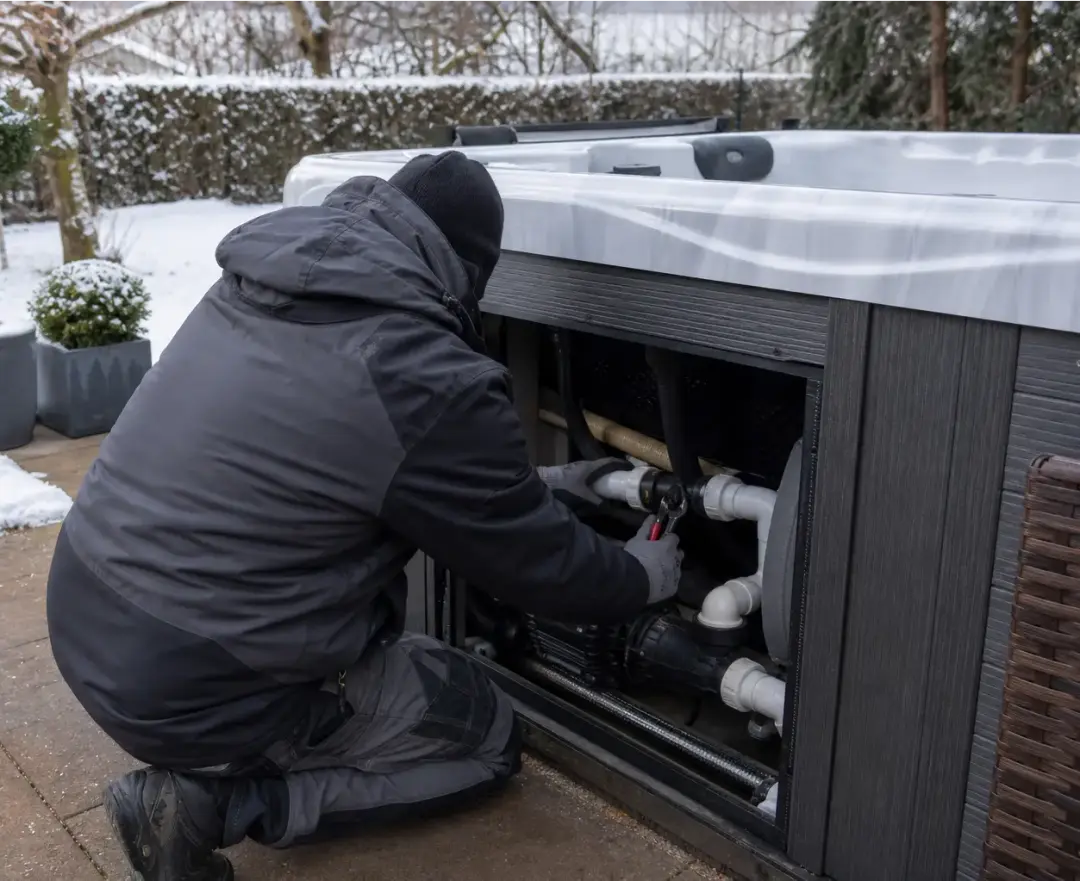
Cost alone should not determine the decision. Although an operating spa consumes energy, an incomplete shutdown could cause damage costing far more than several months of heating. Conversely, leaving an unused spa running without regular supervision can waste energy and allow water-quality or equipment problems to go unnoticed. The safest option is the one that matches how often the property and spa can be checked.
Climate and model design must also be considered. Some spas have effective full-foam insulation, freeze-protection modes and controls designed for severe winters. Others may lose heat more quickly or have plumbing positioned close to exposed cabinet walls. Review the owner’s manual and warranty conditions before switching off or draining the system, and consult a qualified spa engineer if the correct procedure is unclear.
Essential Supplies for Winter Preparation
For routine winter operation, keep a dependable water-testing method and the recommended treatment products available. These may include sanitiser, pH adjusters, alkalinity products and a treatment for controlling scale, depending on the source water and manufacturer’s guidance. Accurate testing is more useful than adding products according to a fixed timetable because usage, temperature and contamination levels continually change.
Cleaning equipment should include soft, non-abrasive cloths, a spa-compatible shell cleaner and a suitable filter-cleaning product. Ordinary household detergents can leave residues that create foam when the spa is refilled, whereas abrasive pads may scratch acrylic surfaces, and unsuitable chemicals can damage seals or interfere with water chemistry. Products intended specifically for hot tubs and swim spas are usually the safest choice.
A full shutdown may require a submersible drainage pump, hose, wet-and-dry vacuum and basic hand tools. Some systems also use removable unions, drain plugs or manufacturer-approved winter plugs. A vacuum with a blowing function can help move water out of certain lines, but excessive pressure must not be used. Spa plumbing was not designed to withstand uncontrolled compressed air, and careless use may disconnect or damage internal fittings.
Other useful items include replacement filters, absorbent cloths, waterproof gloves and a cover-lifting aid. A cover-protection product may be appropriate for some vinyl covers, provided it is approved by the manufacturer. Keep a torch available for cabinet inspections and store instructions, warranty details and the contact information of a qualified technician somewhere accessible. Preparation is easier when the correct equipment is assembled before draining or servicing begins.
How to Drain and Clean Your Hot Tub Safely
Before draining, read the manufacturer’s shutdown instructions and identify a suitable disposal point. Treated water should not be released where it could enter a natural watercourse, damage plants, flood neighbouring land or overwhelm local drainage. Sanitiser levels may need to fall before disposal, and local rules should be followed. Plan the hose route carefully so that water cannot flow back towards the spa’s electrical supply.
Isolate the spa from its power supply before the water level drops below the normal operating range. Pumps and heaters can be damaged if they activate without enough water, so the controls should not merely be placed in standby mode. Where the installation includes a dedicated isolator, residual-current protection or fixed wiring, follow the manufacturer’s procedure and use a qualified electrician if any part of the electrical system requires attention.
Drain the main body of water using the built-in outlet or a suitable submersible pump. Open the jets and air controls as directed so water can move freely. Remove the filters and clean or replace them, but do not reinstall damp filters in a spa being closed for winter. Cartridge filters should be allowed to dry fully before being stored in a clean, frost-free location.
Once drained, remove the remaining water from seats, footwells and recesses with a wet-and-dry vacuum. Clean the shell using a non-abrasive, spa-compatible product, paying attention to the waterline and areas around fittings. Rinse away any residue and dry the surface thoroughly. The plumbing then needs to be cleared according to the model-specific instructions; emptying the shell alone does not remove water held inside pumps, heaters and pipes.
Protecting Pipes, Pumps, and Jets from Freezing
Internal plumbing is the most technically demanding part of a winter shutdown. Water can remain in low sections of pipework, behind jet bodies and within manifolds even when the shell appears completely empty. Follow the sequence stated in the owner’s manual, which may involve opening drain valves, loosening specified unions and removing pump or heater drain plugs. Keep every plug, seal and fitting labelled for straightforward reassembly.
A wet-and-dry vacuum can often be used at individual jets, suction points and filter housings to draw out or expel residual water. Work systematically so no outlets are missed. Swim spas may contain separate therapy and swimming circuits, several pumps and a greater volume of plumbing than a standard hot tub. Each circuit must be addressed independently where the design requires it.
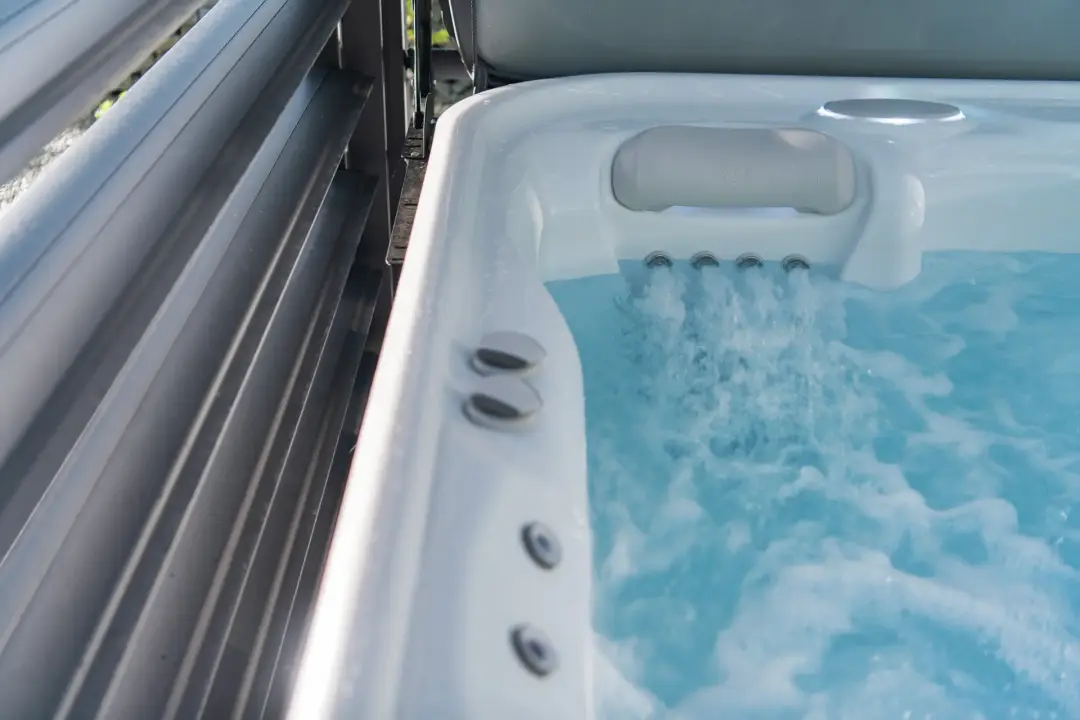
Never pour automotive antifreeze into spa plumbing. It is toxic and can be extremely difficult to remove. Even antifreeze products marketed for recreational water systems should be used only when the spa manufacturer specifically permits them and explains the correct application. In many installations, thorough mechanical removal of water is preferable to introducing an additional substance into the system.
After the lines have been cleared, inspect the equipment area for moisture, damaged insulation and signs of pests. Components should be dry but not wrapped in a way that traps condensation. Replace access panels securely to protect the cabinet from wind and animals while preserving any ventilation required by the manufacturer. If the plumbing layout cannot be accessed or understood with confidence, professional winterisation is a sensible investment.
Maintaining Water Quality Throughout Winter
A spa kept in operation needs regular testing even when it is used less often. Sanitiser levels, pH and total alkalinity should remain within the ranges specified for the system. Cold weather does not eliminate contamination, and warm spa water continues to provide conditions in which microorganisms may grow. Test results should guide chemical additions rather than appearance alone, as clear water is not necessarily properly sanitised.
Winter bathing can introduce additional contaminants. Moisturisers, cosmetics, laundry residues and fibres from clothing may enter the water, while leaves and wind-blown debris can reach the spa whenever the cover is open. Encourage bathers to shower beforehand and keep a clean route between the house and spa. These small habits are a great way to reduce the burden on the filter and help preserve water clarity.
Filters require consistent attention because restricted flow can affect heating and freeze protection. Rinse cartridges at appropriate intervals and use a deeper filter-cleaning process when necessary. Rotate between two clean filter sets if recommended, allowing one set to dry while the other is in service. Replace cartridges that remain discoloured, damaged or clogged after cleaning.
Water level is equally important. Evaporation, splashing and frequent use can lower it until the pump begins drawing air or circulation becomes unreliable. Check the level routinely and top it up in accordance with the manufacturer’s guidance. During very cold conditions, plan refilling carefully so hoses, outdoor taps and surrounding surfaces do not freeze, and immediately remove any spilled water that could create a slip hazard.
Choosing and Caring for a Winter-Ready Cover
A high-quality, well-fitting cover is one of the most effective ways to reduce winter heat loss. It should sit evenly over the spa, close securely around the edges and match the dimensions and shape of the shell. Dense insulating foam and a continuous vapour barrier help retain heat, but the cover must still be light enough to handle safely. A cover that is cumbersome may be left open longer than necessary.
Inspect the surface for cracks, torn stitching, broken straps and damaged fastenings. Examine the underside for mildew, deterioration and sagging. If a foam core becomes saturated, the cover will grow heavy and lose insulating performance. A waterlogged cover is usually better replaced than repeatedly dried, especially if its extra weight strains the lifter or creates a manual-handling risk.
Keep the cover clean with products approved for its material. Remove leaves and standing water promptly, and use a soft brush rather than sharp tools. Snow should be cleared before its weight accumulates, but ice should not be chipped away because this can puncture the outer skin. Allow stubborn ice to thaw naturally whenever possible.
The cover should be fastened whenever the spa is unattended, particularly during high winds. Straps are intended to secure the cover, not to serve as carrying handles, and they should not be overtightened. When the spa is closed for winter, inspect beneath the cover periodically for condensation, water ingress or pest activity. Covers can sometimes conceal developing problems, so they should not be treated as a substitute for routine checks.
Energy-Saving Tips for Cold-Weather Spa Use
Heat is lost most rapidly from the water’s surface, making cover condition and fit central to winter efficiency. Replace a damaged or saturated cover and minimise the time the spa remains uncovered. Organise robes, towels, drinks and accessories before opening it, and close it as soon as bathing has finished. These simple measures retain far more heat than repeatedly asking the heater to recover from a large temperature drop.
Use the spa’s energy-saving controls according to your routine and the manufacturer’s recommendations. Economy settings or scheduled heating can be useful when bathing times are predictable, but lowering the temperature too far may lead to slow recovery and reduce freeze protection. Large swim spas contain substantial volumes of water, so reheating after a major temperature reduction may consume more energy than maintaining a stable setting.
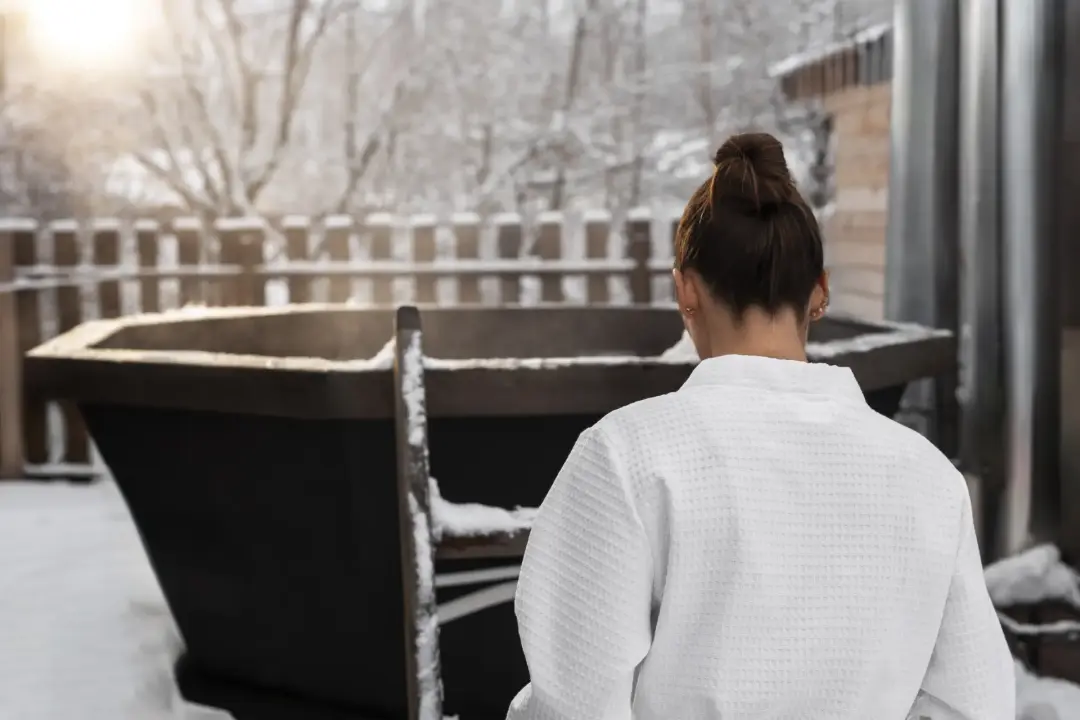
Protect the installation from wind where this can be done without blocking required ventilation or equipment access. A suitable screen, fence or enclosure can reduce wind-driven heat loss and make winter bathing more comfortable. Any structure must comply with local requirements and should not direct roof water or drifting snow towards the cabinet. Ventilation remains particularly important for indoor or enclosed installations.
Maintain the equipment so energy is not wasted overcoming avoidable restrictions. Clean filters support efficient circulation, while correctly operating pumps and heaters transfer heat more effectively. Check that cabinet panels fit properly and that insulation has not been displaced by repairs or pests. Monitoring consumption over time can also reveal a deteriorating cover, developing leak or equipment fault before it becomes obvious.
Reopening Your Hot Tub or Swim Spa in Spring
Begin reopening with a careful inspection rather than immediately refilling the shell. Remove the cover and examine the acrylic, jets, fittings, cabinet and equipment area for cracks, moisture, corrosion or pest damage. Confirm that all plumbing unions, valves and drain plugs removed during winterisation are correctly restored. Replace worn seals rather than relying on overtightening fittings to stop leaks.
Make sure to clean the shell and rinse away any dust or residue using suitable spa products. Reinstall clean, undamaged filters and ensure that valves and jets are positioned as specified for filling. Many spas should be filled through the filter housing to reduce the chance of an airlock, but the correct method depends on the model. Use the recommended procedure in the owner’s manual.
Once the water reaches the proper level, restore power and watch the start-up sequence closely. Next, you must confirm that circulation has begun properly, that air is released and water flows as it should through the jets. Inspect the equipment area and external connections for leaks as the system warms. Switch off the power and seek qualified assistance if the pump fails to prime, unusual noises develop or water appears near electrical components.
Balance the water only after circulation has been established. Test the source water and adjust total alkalinity, pH, hardness and sanitiser in the appropriate order for the spa and treatment system. Complete any recommended start-up or sanitising treatment, then allow the water to circulate before use. Recording the reopening date, maintenance performed and any replacement parts creates a useful reference for the following winter.
At The Hot Tub Engineer, I provide expert-level services for hot tubs, swim spas, and pools in and around Maidstone, Kent. I can carry out yearly servicing appointments, as well as cleaning sessions, general maintenance, winterising services, installations, and more.