What Does Basic Jacuzzi Cleaning Usually Include?
Basic Jacuzzi cleaning normally focuses on the visible areas and routine water maintenance. This may include wiping the shell, cleaning the waterline, removing debris and rinsing the filter. The water may also be drained and replaced periodically.
Owners may test pH and sanitiser levels and make small adjustments as needed. The cover can also be cleaned to prevent dirt entering the water. These tasks are important for everyday upkeep, but they do not normally include detailed inspection of pumps, heaters, valves or internal pipework. Electrical components and sensors are also outside the scope of basic cleaning.
A Jacuzzi can therefore look clean while still having a developing mechanical problem. Basic cleaning should be treated as regular owner maintenance rather than a replacement for professional servicing. Combining both helps keep the water pleasant while also protecting the components responsible for heating, filtering and circulating it.
Why Cleaning Alone Is Not Enough
Cleaning alone cannot reveal every problem developing inside a Jacuzzi. The shell, cover and waterline may look spotless while internal components are wearing, leaking or becoming restricted. Pumps, heaters and control systems can all develop faults that are not visible from the seating area. A dirty filter may be obvious, but a weakening pump seal or small leak inside the cabinet may go unnoticed.
Scale can also build up inside pipework and around heating surfaces where normal cleaning cannot reach. Poor circulation may be caused by a valve, pump or blocked internal passage rather than visible dirt.
Electrical and control issues are another example. A display can appear normal while a sensor or connection is becoming unreliable.
Professional servicing allows these less obvious areas to be inspected. It also gives the engineer an opportunity to compare water flow, heating performance and component condition.
Cleaning should therefore remain part of the maintenance routine, but it should not be relied upon as the only form of care. Combining regular cleaning with professional servicing helps protect both water quality and the mechanical systems that make the Jacuzzi work.
Checking the Jacuzzi Pump for Problems
The pump is responsible for moving water through the filtration, heating and jet systems. A basic clean does not normally assess the condition of the pump itself. During professional servicing, the engineer can listen for unusual noises, check for vibration and inspect visible seals and connections. Weak water flow may indicate that the pump is under strain or that another restriction is affecting circulation.
Small leaks around the pump should also be dealt with early. A worn seal can allow moisture to reach nearby components and may eventually lead to a larger repair. The engineer can also check whether filters, valves or pipework are increasing resistance. This helps distinguish a genuine pump fault from a wider circulation problem.
Regular pump inspection can identify wear before complete failure occurs. That makes professional servicing more useful than cleaning alone when the goal is to protect the Jacuzzi's mechanical components.
Inspecting the Heater and Heating System
The heater is one of the most important Jacuzzi components because it keeps the water at the selected temperature. It can be affected by scale, poor water chemistry, restricted circulation and electrical faults. Basic cleaning does not normally include a detailed check of the heating system.
During professional servicing, the engineer can assess whether the Jacuzzi heats consistently and whether the temperature controls respond correctly. Scale around heating surfaces can reduce heat transfer and make the system work harder.

Restricted water flow can also affect heater performance. Connections and visible components may be checked for signs of leaks, corrosion or overheating. If the Jacuzzi takes longer than usual to heat, the cause may involve the heater itself or another part of the circulation system.
The engineer can investigate both possibilities. Professional inspection is particularly valuable because repeatedly increasing the temperature setting does not correct an underlying fault.
Protecting the heater also helps reduce strain on other components. Keeping water chemistry, flow and controls in good condition supports reliable heating and can reduce the risk of a costly heater failure developing unnoticed.
Checking Jets for Blockages and Poor Flow
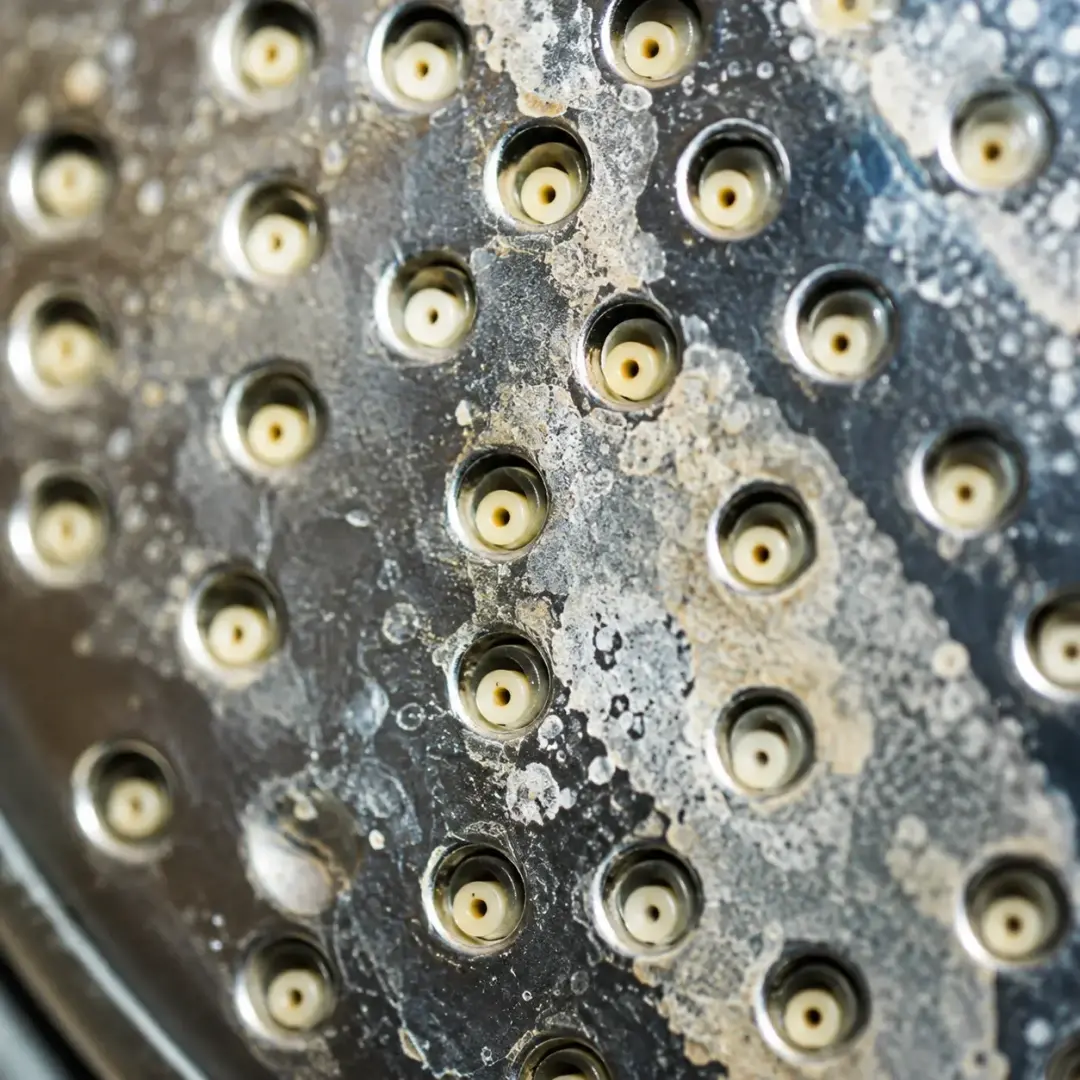
Jacuzzi jets can become restricted by scale, debris and residue inside the circulation system. A basic clean may remove visible dirt around the openings, but it may not solve deeper restrictions. During servicing, water flow can be checked across different jets.
One weak jet may indicate a local blockage, while several weak jets can point to a wider circulation problem. The engineer can investigate whether the cause is the jet, pump, filter or pipework. Scale around internal passages may also affect performance.
Forcing tools into jet openings can damage components, so blocked jets should be handled carefully. Professional servicing helps identify the source of poor flow rather than treating only the visible symptom. Keeping jets clear supports consistent performance and also provides useful information about the condition of the wider circulation system.
Inspecting Filters and Filter Housing
Filters remove debris and contaminants from Jacuzzi water, but the filter housing and surrounding components also need attention. A filter that appears clean may still sit inside a housing containing residue or damage. Professional servicing allows both the filter and its location within the system to be inspected. The engineer can check whether the filter is the correct type and whether it is allowing suitable water flow. A worn or damaged cartridge may no longer perform effectively even after cleaning.

The housing can also be examined for cracks, debris and signs that water is bypassing the filter. Restricted filtration can place additional strain on the pump and reduce circulation through the heater.
If the filter repeatedly becomes blocked quickly, poor water quality or another system problem may be contributing. Basic cleaning generally focuses on rinsing or replacing the cartridge.
Professional servicing considers how the whole filtration system is functioning. This wider approach helps prevent a simple filter issue from causing additional wear elsewhere in the Jacuzzi. Maintaining effective filtration supports cleaner water, more reliable circulation and improved protection for pumps, heaters and pipework.
Checking Pipework for Leaks and Build-Up
Jacuzzi pipework can develop scale, residue and small leaks in areas that are difficult to inspect during routine cleaning. Professional servicing can include checking accessible pipe connections and looking for signs of moisture or mineral deposits.
A small leak may leave dampness or staining before it becomes serious. Scale inside pipework can also reduce water flow gradually. This may affect jet pressure and place extra strain on the pump. Basic surface cleaning does not address these hidden restrictions. An engineer can assess whether flow problems are likely to come from pipework, filters or other components.
Water quality is also considered because poor chemical balance can contribute to both scale and corrosion. Identifying pipework problems early can prevent more disruptive repairs later. Professional inspection therefore provides an important layer of protection for parts of the Jacuzzi that owners cannot easily see or clean themselves.
Finding Small Leaks Before They Become Serious
Small leaks can develop around pumps, heaters, valves, unions and pipe connections. They may be difficult to notice because only a small amount of water escapes at first. Professional servicing provides an opportunity to inspect these areas before the leak becomes obvious.
Water marks, damp insulation and mineral deposits can all indicate that a connection is beginning to fail. Even a slow leak can create secondary problems if moisture reaches electrical components or timber inside the cabinet. The water level may also drop gradually, causing owners to top it up without realising there is an underlying issue.

A professional engineer can trace the source and determine whether the problem involves a seal, fitting or component.
Basic cleaning does not usually include this type of internal inspection. Fixing a small leak early can be far simpler than dealing with water damage after it has spread.
Regular servicing therefore helps prevent minor faults from becoming larger repairs. It also gives the owner a clearer understanding of the condition of internal connections and whether any components are beginning to deteriorate.
Checking Seals, Valves and Connections
Seals, valves and connections help control and contain water throughout the Jacuzzi system. These components can wear gradually due to heat, chemicals and regular operation. Professional servicing allows them to be checked for leaks, stiffness and visible deterioration.
A seal that begins to harden or crack may eventually allow water to escape. Valves can also become difficult to operate when scale or debris builds up. Connections should not simply be tightened excessively, as this can damage fittings.
An engineer can identify whether adjustment or replacement is the better option. Basic cleaning rarely includes these checks because many parts are located behind the cabinet panels. Professional servicing therefore provides a more complete view of system condition.
Keeping seals, valves and connections in good order helps maintain water flow and reduces the likelihood of leaks developing around pumps, heaters and pipework.
Inspecting Electrical Components
Electrical components control many Jacuzzi functions, including pumps, heaters, lights and temperature settings. These parts need to remain dry, secure and in good condition. Basic cleaning does not provide a meaningful inspection of electrical equipment.
During professional servicing, accessible components can be checked for signs of moisture, corrosion, overheating or damaged connections. Repeated tripping, flickering displays or intermittent operation may indicate an electrical problem. Loose connections can also develop over time through vibration and repeated heating cycles. Electrical faults should not be investigated by unqualified users.
A professional engineer can determine whether a problem involves wiring, controls, sensors or another connected component. Water leaks are particularly important because they can allow moisture to reach areas that should remain dry.
Servicing can help identify the leak before electrical equipment is damaged. The control enclosure and related connections may also be inspected where appropriate. Keeping electrical components in good condition protects the wider Jacuzzi system and reduces the risk of sudden shutdowns. This is one of the clearest reasons professional servicing offers more protection than basic cleaning alone.
Testing Controls and Temperature Settings
Jacuzzi controls manage temperature, pumps, filtration cycles and other functions. A basic clean does not confirm whether these controls are operating accurately. Professional servicing can include checking whether the displayed temperature matches actual water conditions.
Sensors can also be reviewed if readings appear inconsistent. Buttons and control panels should respond reliably without repeated attempts. Error messages may indicate a developing fault rather than a simple reset issue.
The engineer can also check whether the heater starts and stops correctly according to the selected settings. Incorrect control behaviour can place unnecessary strain on pumps and heating equipment. It may also make water temperature less predictable.
Professional testing helps identify whether the problem lies within the control panel, sensor or another component. Reliable controls allow the Jacuzzi to operate according to the settings chosen by the owner and support more consistent performance.
Checking Water Circulation
Good water circulation is essential for heating, filtration and jet performance. A Jacuzzi can look clean while still having circulation problems hidden within the system. Professional servicing can assess whether water is moving correctly through the pump, heater and pipework.
Weak jet pressure may provide one clue, but the engineer can look at the complete flow path. Dirty filters, blocked valves and scale inside pipes can all reduce circulation. A pump that is beginning to wear may also struggle to maintain normal flow. Low water levels can allow air into the system and affect pump performance.
Basic cleaning may improve visible water quality but will not necessarily identify these mechanical causes. Poor circulation can create additional strain because the pump may need to work harder.
The heater may also perform less effectively if water flow is restricted. An engineer can determine which component is causing the problem and recommend cleaning, repair or replacement.
Maintaining correct circulation helps protect several Jacuzzi components at once. It also ensures that treated and heated water is distributed properly throughout the system rather than allowing warm or poorly filtered areas to develop.
Preventing Scale Build-Up Inside the System
Scale can form inside pipework, jets and heating components when mineral levels and water balance are unsuitable. Basic cleaning may remove visible deposits from the shell, but it cannot always reach internal surfaces. Professional servicing can identify signs that scale is affecting water flow or heating performance.
The engineer may also recommend appropriate system cleaning where required. Water chemistry should be reviewed because preventing scale is easier than repeatedly removing heavy deposits. Heaters are particularly vulnerable because mineral build-up can reduce heat transfer.
Jets and smaller pipe passages may become restricted as well. Using unsuitable household chemicals to remove scale can damage seals or internal materials. Professional maintenance considers both the deposits and the reason they developed. Correcting the underlying water balance helps prevent scale returning and protects components from unnecessary wear.
Reducing the Risk of Corrosion
Corrosion can damage heaters, metal fittings, electrical connections and other Jacuzzi components over time. Poor water chemistry and persistent moisture are common contributing factors. Professional servicing allows early signs of corrosion to be identified in areas that basic cleaning may not reach. Discolouration, surface deterioration and mineral staining can provide useful warning. The engineer can also check whether small leaks are exposing nearby components to moisture. Incorrect pH may make the water more corrosive and should be corrected.
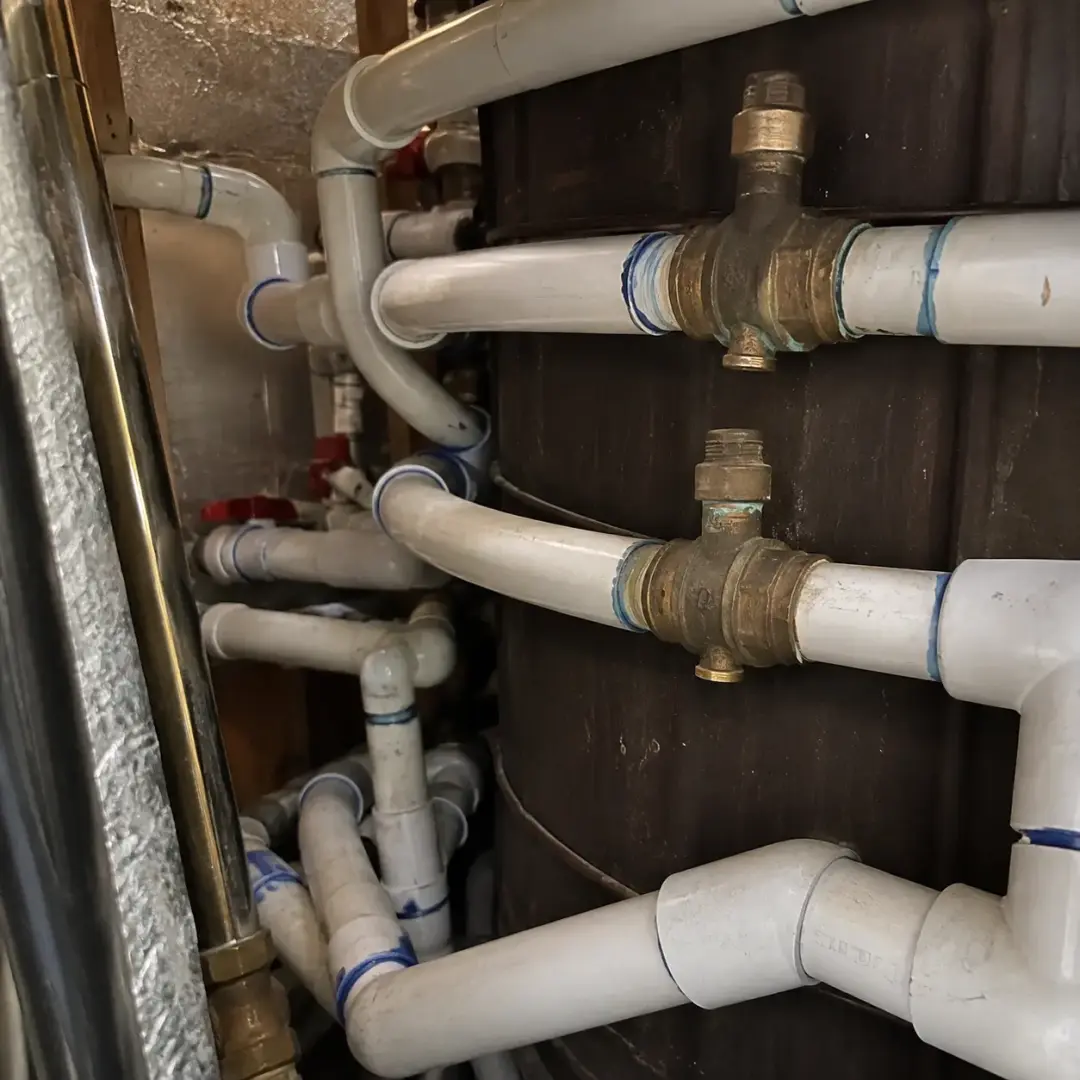
Chemical levels should therefore be tested regularly between services. Replacing a corroded component without addressing the water conditions may only cause the same problem to return. Professional servicing takes this wider view.
The engineer can identify whether damage is limited to one part or whether several areas are being affected. Basic cleaning improves appearance but cannot stop corrosion developing inside hidden equipment.
Combining correct water care with routine professional inspection helps reduce long-term deterioration. This can protect expensive parts and avoid situations where several components require replacement because a water chemistry problem was allowed to continue unnoticed.
Checking for Signs of Wear and Damage
Professional servicing provides an opportunity to check components for early signs of wear. Pumps may become noisier, seals can harden and valves may become difficult to operate. Heaters and electrical connections can also show signs of deterioration.
Basic cleaning normally focuses on surfaces and water rather than the mechanical condition of these parts. An engineer can compare how components look and operate during each service. Small changes may indicate that replacement should be planned before complete failure. Cracks, corrosion, leaks and unusual vibration should all be investigated.
Wear does not always mean a part needs immediate replacement. Sometimes cleaning or adjustment is enough. Professional assessment helps determine which issues require action and which can be monitored. Regular inspection therefore gives owners more opportunity to deal with developing problems in a planned way rather than discovering them after the Jacuzzi stops working.
Replacing Worn Parts Before They Fail
Replacing worn parts before complete failure can prevent a minor problem from damaging other Jacuzzi components. Seals, bearings, filters, sensors and electrical parts all have limited working lives. Professional servicing helps identify when these components are approaching the point where replacement is sensible.
A leaking pump seal, for example, may eventually allow water to damage the motor or surrounding equipment. A worn sensor can cause incorrect temperature control and place unnecessary demand on the heater. Filters that are no longer effective can restrict circulation.
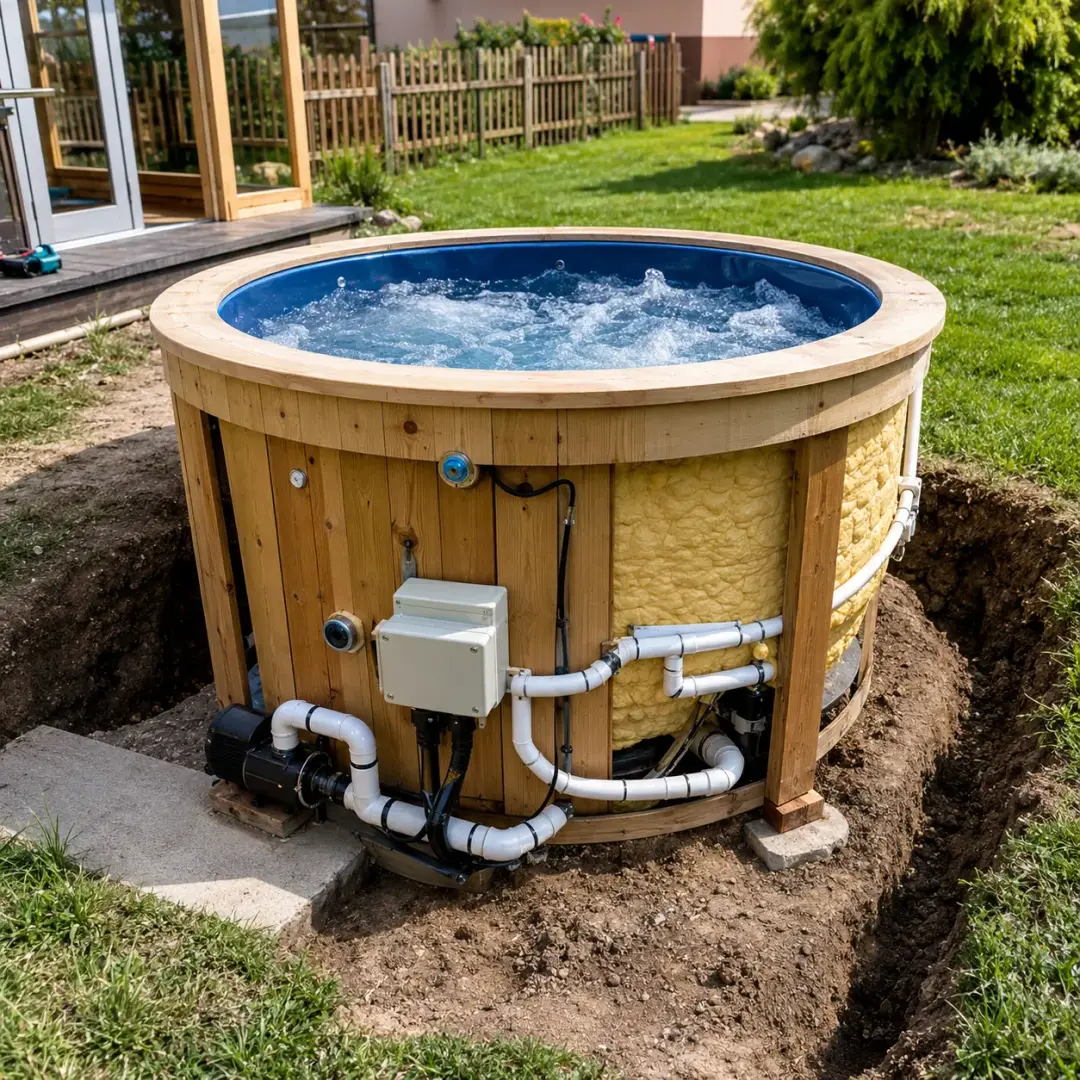
Planned replacement allows these issues to be addressed before the Jacuzzi becomes unusable. It also makes it easier to arrange work at a convenient time. Basic cleaning provides little opportunity to assess internal component wear.
Professional servicing therefore offers a more preventative approach. Not every older part needs to be replaced immediately. Condition and performance should guide the decision. An engineer can explain which components are still suitable and which should be monitored.
Using the correct replacement parts is also important for maintaining normal operation. Preventative replacement can reduce breakdown risk and protect more expensive components from secondary damage caused by worn parts being left in service for too long.
How Servicing Helps Prevent Breakdowns
Professional servicing helps prevent breakdowns by identifying small faults before they become serious. A dirty filter, weak pump or minor leak may not stop the Jacuzzi immediately. However, continued operation can place extra strain on other components. Servicing allows these issues to be found and corrected earlier.
The engineer can also check heating performance, circulation and controls for changes. Worn parts can be replaced before failure. Water chemistry and scale build-up may also be reviewed because both can affect mechanical reliability.
Basic cleaning cannot provide this level of inspection. While no service can guarantee that every breakdown will be prevented, regular professional attention reduces many avoidable risks. It also creates a maintenance history that makes recurring faults easier to spot. A planned servicing routine can therefore provide more reliable long-term operation than waiting until the Jacuzzi stops working before arranging professional help.
How Servicing Protects Expensive Jacuzzi Components
Pumps, heaters, control systems and electrical equipment can be among the more expensive parts of a Jacuzzi. Protecting them through regular servicing can reduce the risk of premature replacement. Many expensive failures begin with smaller maintenance problems.
A blocked filter can restrict water flow and place extra demand on the pump. Scale can build up around the heater and reduce heat transfer. A small leak may eventually reach electrical equipment. Professional servicing helps identify these conditions before they cause wider damage. The engineer can also check whether the Jacuzzi is being operated in a way that creates unnecessary strain.
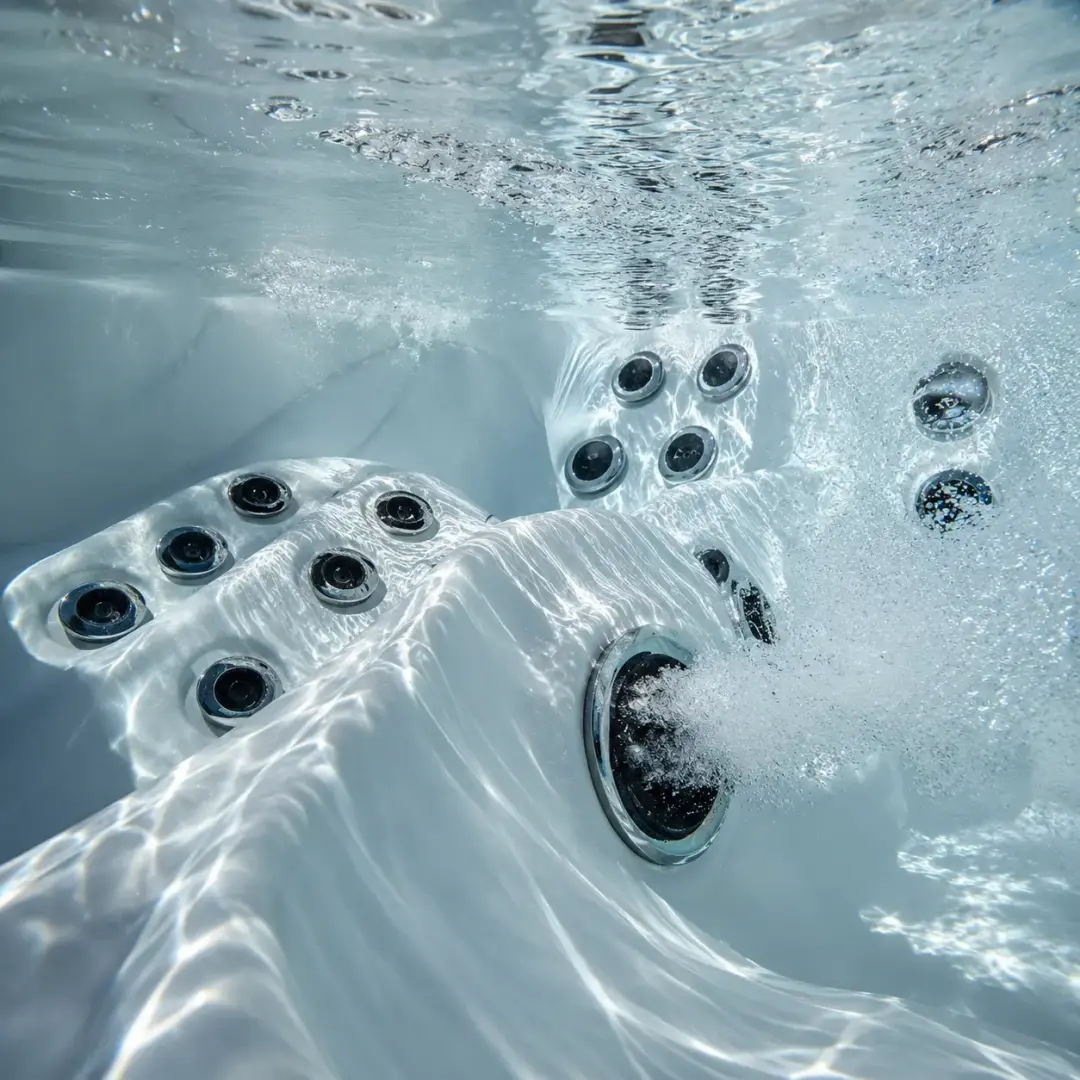
Water chemistry may need attention if corrosion or scale is appearing repeatedly. Servicing focuses on protecting the complete system rather than cleaning only the visible areas.
Basic cleaning remains valuable, but it does not reveal how well pumps, heaters and controls are performing. Regular inspection can therefore provide better protection for high-value components.
Planned replacement of smaller worn parts can also prevent a much larger repair. For example, replacing a deteriorating seal may cost far less than replacing a motor damaged by water. Professional servicing is therefore an important part of maintaining the value and reliability of the Jacuzzi over the long term.
The Hot Tub Engineer provides a range of Jacuzzi maintenance services, such as valve maintenance, system inspections, and chemical testing, to help keep your spa in peak condition. Each part of a Jacuzzi plays a vital role, and my regular maintenance service helps to prevent faults, improve the spa's performance, and extend the system’s lifespan.