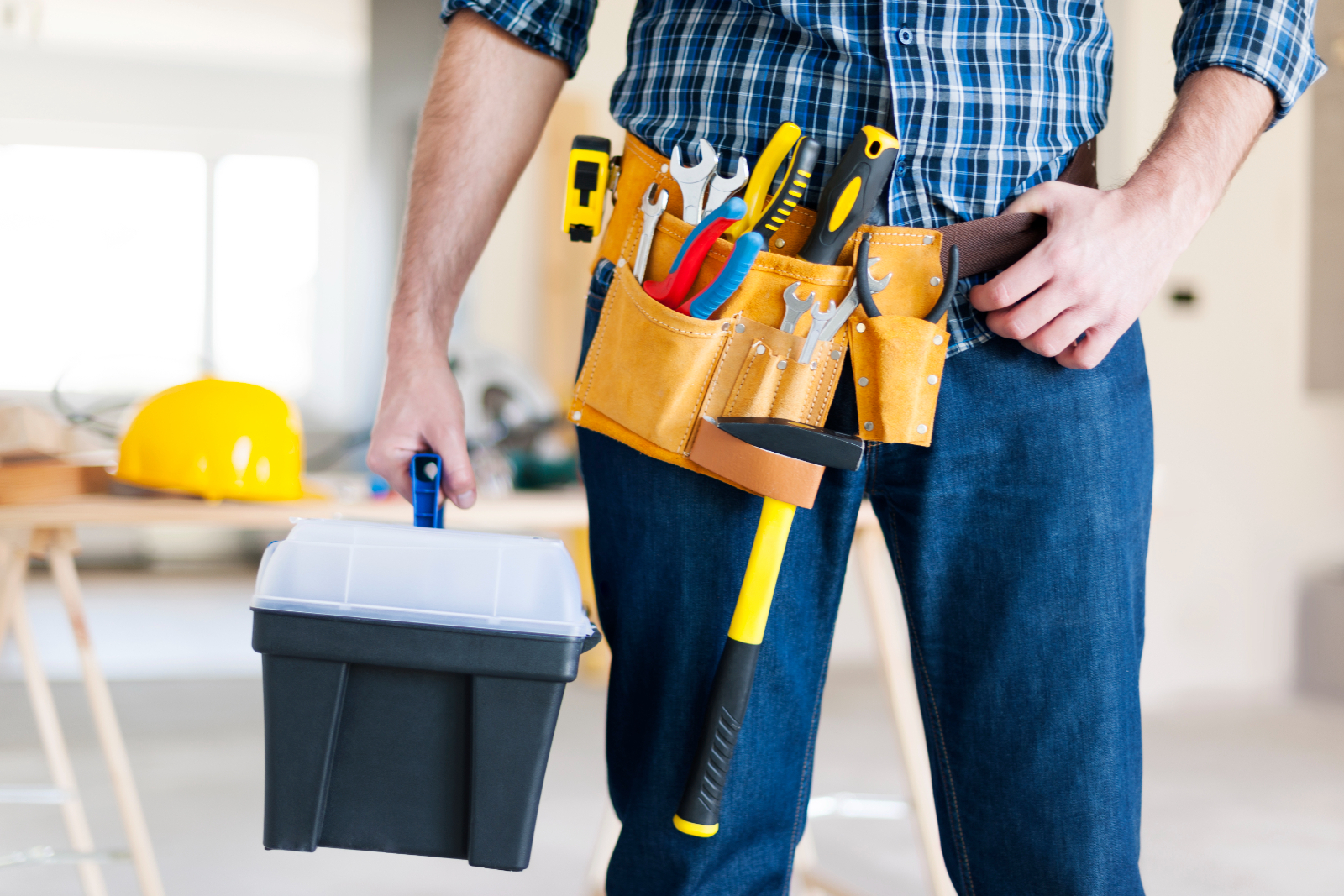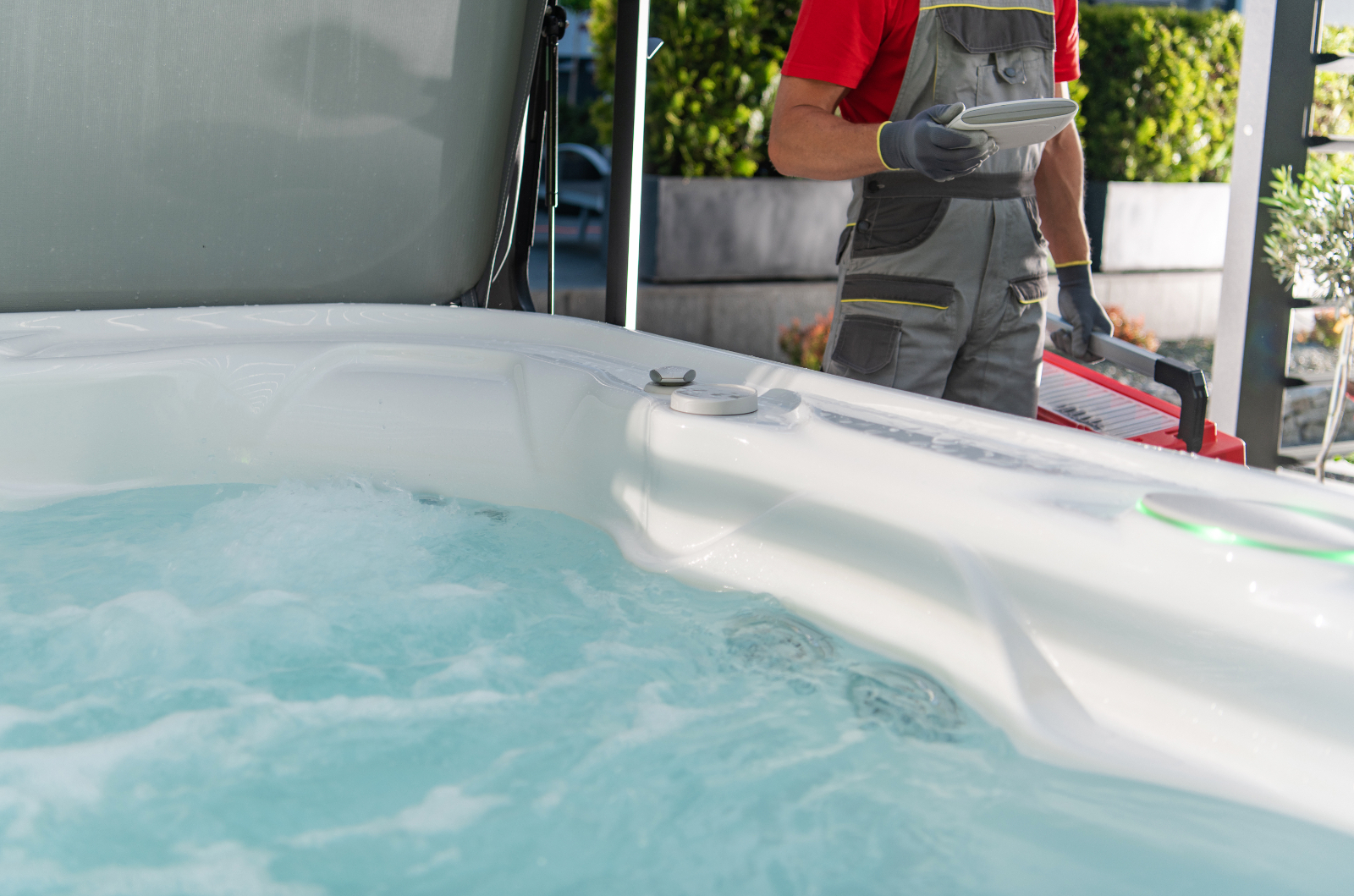
Learn what's involved in hot tub relocation, from draining and disconnecting the tub to safely transporting and reinstalling it at the new location. Explore the necessary steps, equipment, and professional help required to ensure a smooth and damage-free move.
Drain the Water
The initial step is to drain the water. Before carrying out any other procedures, it's crucial to ensure the hot tub is empty. Not only does this lower the weight of the tub drastically, but it also ensures the safety of those moving it, as water can easily spill and cause accidents or damage its internal parts. Begin by identifying the drain valve on your hot tub. Once found, connect a garden hose to it and direct the other end to a suitable draining location away from your house and garden. Unleash the drain valve and allow the water to flow.
Remember, hot tubs often contain a whopping 500 gallons of water, so it's not a quick job! If time is a factor, you might opt for a sump pump to speed up the process, this can be rented at a reasonable cost. Once the water has been drained, take a sponge and remove the excess water remaining at the bottom. Keep in mind that, depending on the ambient temperature, draining the tub might take hours.
Agree the handling method and equipment with the specialist. Team size must follow the load and route assessment, not a fixed headcount.
Disconnect Electrics & Plumbing
After successfully carrying out the draining process, it is paramount to disconnect the electrics and plumbing. Do not attempt this on your own if you lack experience. Instead, contact a professional team to mitigate the risk of injury or damage to the tub.
A qualified electrician should isolate, prove dead and disconnect a hardwired supply. Do not remove a breaker or open an electrical panel as a DIY relocation step.
Next, disconnect the plumbing. While many modern hot tubs are self-contained units and do not require a disconnection of plumbing, if yours does, disconnect all pipes and hoses to ensure the tub is standalone and ready to be moved.

Remember, safety is paramount. If you have any doubts, contact an expert for advice or full-service solutions.
Transporting a hot tub is no small feat. Consider using a sled or furniture dolly to aid in the move. Ensure there are enough people to help lift and balance the weight. Always lift with your legs, not your back, to avoid injury. Secure the hot tub properly during transport to prevent it from shifting and causing damage. Use straps and padding to keep it in place, particularly if you are transporting it over a long distance.
Once the hot tub reaches its new location, inspect the area to ensure it is level and can support the weight. Position the tub accordingly, making adjustments as needed. Reconnect the plumbing for models that require it, ensuring all pipes and hoses are secure. Have a qualified electrician reconnect and check a hardwired supply. Follow filling and commissioning instructions before restoring power to equipment that requires water.
Protecting The Tub
Hot tubs are undoubtedly a significant investment, and as such, one needs to give a lot of thought to how to protect them during relocation. Start by thoroughly drying the hot tub. Moisture left inside can encourage the growth of mould while the hot tub is in transit. This initial step is crucial as it prevents any unwelcome surprises upon arrival at the new location. Once the tub is completely dry, find a heavy-duty tarpaulin or cover that can be snugly secured around it. This cover will serve as a barrier against scratches, dents, and other potential damages during the move.
Pack loose accessories separately. Leave pumps, jets and electrical assemblies fitted unless the specialist and manufacturer instructions require removal.
Moving Dolly
Once you have done all the preparatory work, it's time to position the tub, ready for moving. The most common equipment used for moving hot tubs is a dolly. If you don't own one, rental services are available.
A dolly is an ideal tool for this heavy load as it can handle weight well and makes the job relatively easy.
It's important to remember, that even with a dolly, you will need a number of strong people to lift and place the hot tub onto it. Ensure that the path to the destination is free of obstacles and that the tub is securely strapped onto the dolly.
Always remember to prioritise safety over speed or convenience. People should wear gloves to protect their hands and sturdy shoes to protect their feet. Everyone involved should know their role beforehand to avoid confusion and ensure smooth operation.

Before lifting, make sure everyone uses proper lifting techniques to avoid injury. Bend your knees, keep your back straight, and use your legs to lift, not your back. Communicate clearly with each other, especially while navigating stairs or tight spaces. Once the hot tub is on the move, go slowly and steadily. It's not just about getting the job done but doing it safely and without damage.
Be particularly cautious when going up or down any inclines and make sure the tub is properly balanced on the dolly to prevent tipping over. When you reach the new location, carefully unload the hot tub, ensuring it is placed safely and securely. Check the surrounding area to make sure it is flat and solid before setting the hot tub down.
Use a Trailer
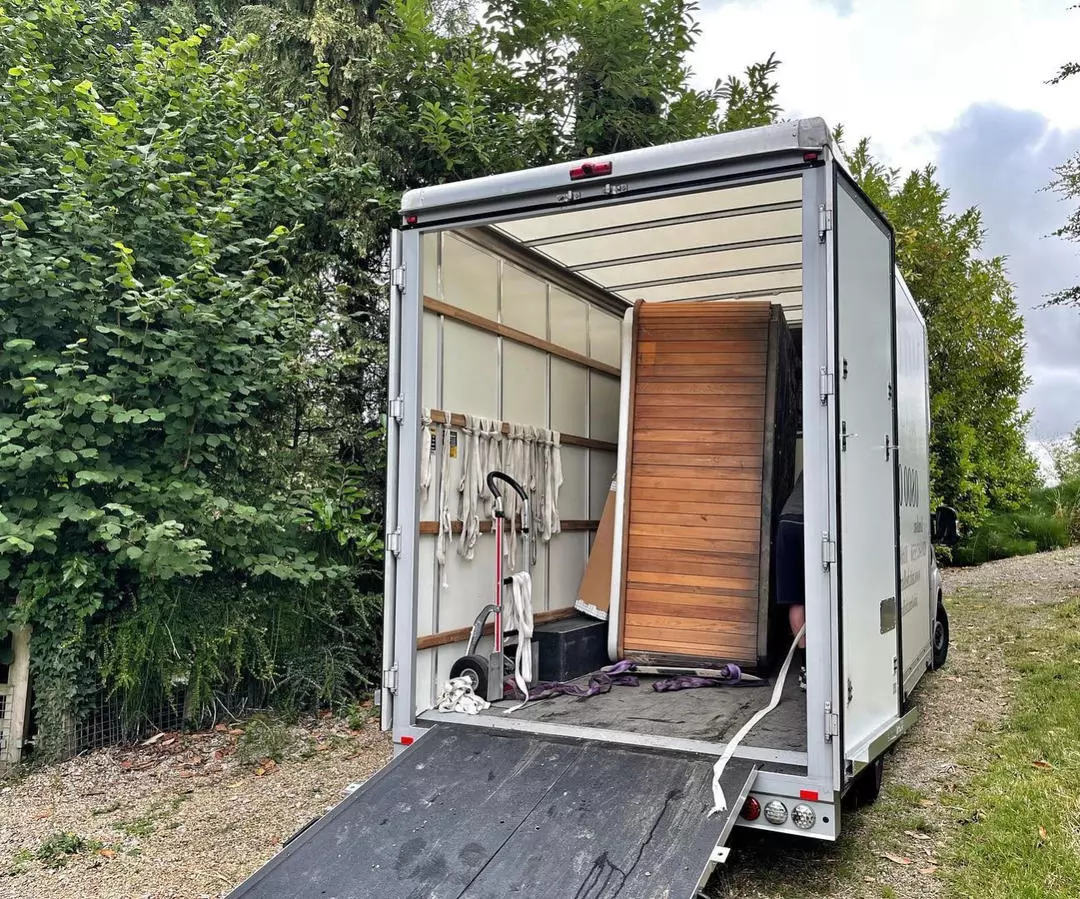
The final step in hot tub relocation is the actual process of moving it from your home to its new location. The best way to do this is by using a trailer. Trailers offer space and stability to transport the tub safely. First, you'll need to securely load the tub onto the trailer. If possible, use a loading ramp for ease and safety. This will allow you to simply roll the dolly and hot tub up onto the trailer rather than having to lift it once again. Safety is paramount, so make sure that everyone involved is wearing gloves and proper footwear to avoid injuries.
Once it's on the trailer, check its positioning. Ensure it lies flat to avoid the risk of tipping during transit. Use robust straps anchored to secure points on both the hot tub and trailer. This will ensure the hot tub won’t be able to move or shift during transportation. It's also a good idea to cover the hot tub with a durable tarp or protective covering. This helps to shield it from the elements, such as rain or debris, while in transit. Ensure the cover is also securely fastened to prevent it from flying off during the journey.
Plan your route carefully before setting off. Avoid rough or bumpy roads as much as possible, and drive slowly and carefully to reduce the risk of the hot tub shifting or being damaged during the journey. If you're not confident in towing the trailer yourself, consider hiring a professional who specialises in transporting large items like hot tubs. Upon reaching the new location, carefully unload the hot tub. Again, using a ramp can make this process much easier and safer. Once the hot tub is safely off the trailer, move it to its final position using the dolly.
Agree the relocation scope before moving day
A useful quotation starts with the make, model, dry weight and photographs of both routes. It should state whether draining, electrical disconnection, lifting, transport, placement and recommissioning are included. Agree responsibility for gates or fence panels, and ask what happens if access differs from the survey.
Record the condition of the shell, cabinet and cover before collection. Label loose accessories separately, but leave pumps and internal plumbing in place unless the specialist has a model-specific reason to remove them. Transport restraints must support the unit without crushing the cabinet or pulling on fittings.
Use an assessed method and suitable equipment
The HSE 2024/25 non-fatal injury statistics attribute 17% of employer-reported employee injuries to handling, lifting or carrying. This is not a spa-specific risk estimate. It supports using an assessed method instead of relying on a fixed number of helpers.
The mover should assess steps, soft ground, slopes and pinch points. Keep children, pets and bystanders away from the route. A qualified electrician should deal with hardwired disconnection and reconnection: switching off at a control panel is not proof of safe isolation. If specialist lifting is needed, its contractor must plan for the actual site.
Recommissioning after delivery
Inspect for transport damage and confirm that the unit sits on a suitable foundation with service-panel access. Have any hardwired supply reconnected and checked by the appropriate professional. Follow model-specific filling instructions to reduce air locks. Never energise a heater or pump that requires water while dry.
- Check accessible joints for leaks during filling and operation.
- Confirm circulation, jets, heating and fault-free controls.
- Balance and sanitise fresh water before bathing.
- Recheck water level and accessible connections after the first operating cycle.
Keep the paperwork and report new symptoms promptly. Allow for filling, treatment and heating: a same-day move does not guarantee a same-day soak.
At The Hot Tub Engineer, I provide expert-level services for hot tubs, swim spas, and pools in and around Maidstone, Kent. I can carry out yearly servicing appointments, as well as cleaning sessions, general maintenance, installations, and more.