Owning a hot tub should make it easy to unwind at home, not leave you dealing with avoidable faults. This complete guide to common hot tub problems explains what hot tub owners can safely check, what the signs may mean and when professional advice is the sensible next step.
A hot tub is a compact system: its water, heat, pump, filters, heater, jets, cover and electrical components all need to work together. When one part is wrong, it can put stress on the rest of the tub and lead to a more costly repair.
Start with the simple checks
The first check is whether the hot tub has enough water. A low water level can interrupt water flow, allow air into the circulation system and make the pump run noisily or stop. Check that the water supply is on, that the tub is filled to the manufacturer’s marked level and that the valves are open.
If the water level has fallen since last week, look around the shell, pipes, seals and equipment bay for damp areas, cracks or a small leak. A slow leak can cause water damage beneath a deck or inside the house, so it is worth identifying it early rather than simply topping up the tub.
Before touching any internal components, turn off the electricity at the breaker. An RCD (residual current device) is there for safety reasons and may trip when it detects an electrical fault. Reset it once only after the hot tub is dry and no one is in the water. If the breaker or RCD continues to trip, shut the system down and arrange professional repairs. Repeated resets can hide a circuit board, heater or pump problem and increase the risk of further damage or shock.
Cloudy, foamy or poor-quality water
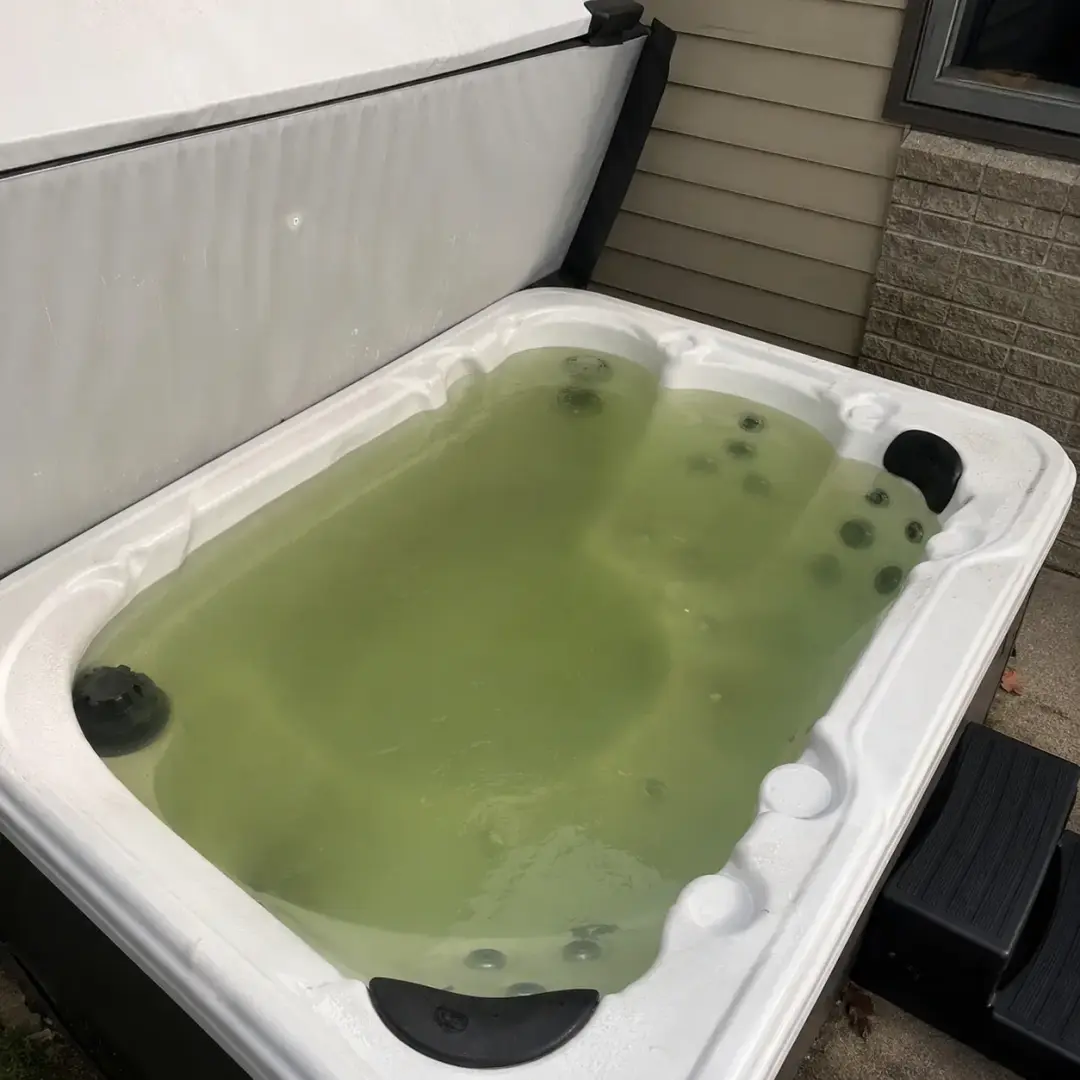
Cloudy water is one of the most common hot tub problems because hot tub water has a small volume and is used frequently. Body oils, lotions, residue, dirt, debris and cosmetics can build up quickly, particularly when family, guests or friends use the spa.
Cloudy water, foam on the surface or a foamy appearance after the jets start are signs that water cleanliness and water balance need attention. Clean water is not only more pleasant for a soak; it helps protect the pump, heater and filtration system from unnecessary strain.
Test the water chemistry with a suitable test kit at least once a week and after heavy use. Test pH, sanitiser and alkalinity, then make small adjustments rather than adding a lot of chemicals at once. Low pH can cause corrosion around metal components, pipes and seals, while a high reading can leave scale on the heating element and reduce heat transfer.
Good water chemistry, a stable water balance and sensible use of chemicals help prevent bacteria, algae and skin irritation. If the results stay wrong after you test, adjust and retest, take a sample to a dealer or consult a hot tub engineer for specific advice on your model.
Regularly rinse the filters with clean water, and wash them with an appropriate filter cleaner when the manufacturer recommends it. Clogged filters and blocked filters reduce flow, make the circulation pump work harder and can cause the heater to overheat. If a filter is worn, damaged or remains clogged after a thorough rinse, replace it rather than trying to force water through it. A clean filter helps the water circulate efficiently, keeps the jets stronger and can save money by reducing energy costs.
Read related articles:
How to Drain and Clean Your Hot Tub Safely
Signs Your Hot Tub Needs Servicing
Weak jets, poor flow and pump noise
Weak jets are often linked to low flow rather than a failed jet. First, check the water level, inspect the filters and make sure every jet is open. Some jets can be adjusted, so a jet that feels weak may simply have been turned down.
Air trapped in the lines after draining or a refill can create an airlock; this can stop water flow even when the pump appears to run. Follow the manufacturer’s troubleshooting guide for your spa before loosening a union or opening the equipment compartment, and never run a pump dry.
A pump that hums, makes a grinding noise or starts and stops may have circulation issues, a clogged intake, a worn motor or worn bearings. Small blockages in pipes can reduce circulation and cause the pump to run hot. In some cases, air in the circulation system will clear after the tub has been filled and the jets have run for a short time.
If the noise continues for more than an hour, if the pump will not prime, or if you can see leaks around the pump seals, stop the hot tub and contact a professional. Continuing to use it can turn a manageable fix into expensive repairs or a pump replacement.
Heating problems and cold water
A hot tub heater needs steady water flow to work safely. If the water is cold, the temperature will not rise, or the hot tub shows a heater failure message, first check the water level and filters. A dirty filter, closed valve, airlock or weak circulation pump can stop enough water passing the heating element. The heater may then shut off to protect itself. This is a common problem on a hot tub that has recently been drained, refilled or left unused for months.
If the hot tub heater still will not heat after the filters have been cleaned and the water is circulating normally, do not keep resetting it. A faulty thermostat, heating element, pressure switch, control panel setting or circuit board may be causing the issue.
An error code can offer a useful starting point, but an error code is not a full diagnosis. Refer to the manual for the exact error code, note any error codes that return after a reset and tell the engineer what was occurring when the code appeared. Accurate details help with diagnosing heater faults, electrical failures and a possible heater replacement.
The cover also matters. A properly fitted hot tub cover helps the water retain heat, keeps leaves and debris out and reduces energy costs in winter. A waterlogged cover, split cover or damaged insulation lets heat escape, so the heater and pump have to work longer. Inspect the cover, cover lifter and seams for cracks, mould, moisture and broken parts. Replacing a heavy, waterlogged hot tub cover can be a simple way to protect the spa, reduce running costs and keep the water at a comfortable temperature in both summer and winter.
Leaks, shell damage and hidden faults
Not every leak is obvious. A small amount of water around the hot tub may come from splash-out, but a continuing drop in water level can point to leaking seals, pipes, jets, valves or internal components. First check around the pump, heater connections and equipment bay with the power off. Look for white residue, corrosion, damp insulation or water on the surface beneath the shell. Do not use a sealant as a permanent fix for a leak you have not identified; the wrong product can make later repairs more difficult.
Cracks in the shell, loose fittings and worn seals should be inspected before they lead to more water damage. A crack near a jet can allow water behind the shell, while a loose union can look like a pump fault. If you find a leak, take clear photos, note how quickly the water level changes and avoid moving the tub while it is full. That information helps a dealer or engineer choose the right replacement parts and avoid unnecessary cost. Similar checks apply to Jacuzzi models and swim spas, although their larger water volume and more complex equipment can make a professional inspection especially useful.
Control panels, codes and electrical safety
Modern hot tubs use a control panel to manage temperature, filtration cycles, lights and jets. An error code, flashing display or blank control panel may be caused by a loose connection, moisture, a failed sensor or a fault on the circuit board. Do not open the control box or touch electrical parts unless you are qualified to do so. For safety reasons, the best action is to switch off the power, keep the area dry and arrange a test by a professional who understands the specific manufacturer and model.
Electrical issues can also show up as a pump that will not start, a breaker that trips or a hot tub that shuts down after a few minutes. Heat, damp conditions and wear can affect wiring over time. If a code refers to flow, temperature, sensor or heater failures, write down the code, the time it appeared and the steps you had taken. This simple troubleshooting record is more useful than repeated resets and helps the engineer resolve the fault without guessing. It can also help prevent a small device fault from leading to a complete system breakdown.
A routine that prevents costly repairs
Proper care is the key to keeping a hot tub running smoothly. We recommend reviewing the water chemistry every week, rinsing filters frequently, checking the cover after bad weather and inspecting the equipment area for leaks each month. Every three to four months, fully drain the tub, clean the shell, flush the lines if your manufacturer advises it and refill with fresh water. This routine helps maintain water quality, protect internal components and extend the life of the spa.
As mentioned previously, regular maintenance is usually easier and less expensive than dealing with a breakdown. Keep a simple list of test results, filter cleaning dates, error codes and any changes in noise, flow or temperature. That information makes it easier to find patterns, choose the right solutions and talk clearly with a professional. It also helps hot tub owners avoid unnecessary repairs, save money over the long term and enjoy a clean, safe hot tub for years.
When to call for professional help
Some hot tub problems are safe to fix with routine care, but electrical faults, persistent leaks, heater failure, repeated error codes, damaged circuit boards and a noisy pump need expert attention. Do not continue using a hot tub if the water is not clear, the RCD trips, the pump cannot circulate water, or you suspect broken parts. A qualified engineer can inspect the system, test the equipment and advise whether repair or replacement is needed. For ongoing care and checks, see our hot tub maintenance service.
Understanding these common hot tub problems gives you a practical starting point, but every spa has its own model-specific details. Follow the manufacturer’s guidance, use the right products and ask for help early when something does not look, sound or feel right. With regular checks, clean water, a sound cover and prompt repairs, your hot tub can stay efficient, safe and ready whenever you want to relax.
The Hot Tub Engineer provides a range of Hot Tub Maintenance services in Maidstone, such as system inspections and chemical testing to help keep your hot tub in peak condition.