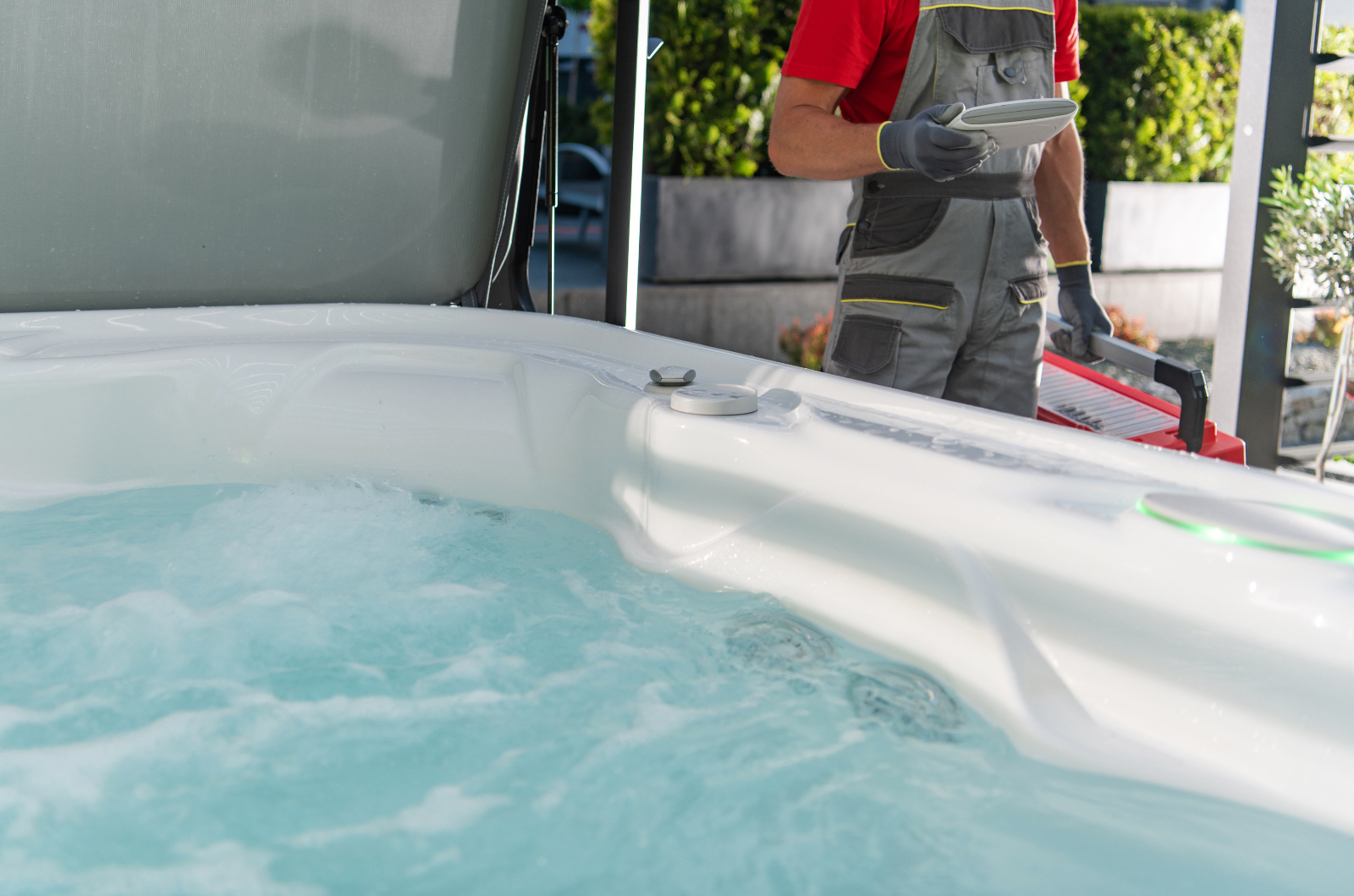
Using your swim spa or hot tub in the winter can be one of the most rewarding ways to enjoy your outdoor space at home. With the right set-up, good insulation and regular maintenance, you can enjoy a hot tub or swim spa throughout the colder months with confidence.
There is something special about stepping into warm water while the air is crisp, the garden is quiet, and the weather feels fresh and still. Many people assume that hot tubs and swim spas are only for summer, but they are designed to offer comfort, relaxation and exercise all year round.
Should you use your hot tub or swim spa in winter?
The simple answer is yes. Winter is often the perfect time to use a swim spa or hot tub because the contrast between the cold weather and the warm water creates a deeply relaxing experience. Whether you want to relax after a long day, spend time with family, or use a swim spa for gentle exercise, the winter months can make every session feel even more enjoyable.
Using your swim spa in winter can also support your body in different ways. The warm water and jets can help ease muscle tension, encourage relaxation and make it easier to unwind after work or after exercise. For people who use a swim spa for movement and recovery, it can be a great way to keep active when the weather outside makes other forms of exercise less appealing.
That said, spa in the winter use does require a little more planning. Cold air, snow, ice and lower temperatures can all affect heat retention, water balance and energy efficiency. The good news is that if you make sure your system is ready, using your swim spa or hot tub in winter can be safe, comfortable and easy to maintain.
Why winter can be one of the best times to enjoy hot tubs and swim spas
Many owners find that hot tubs and swim spas are at their best during the colder months. A hot tub or swim spa can turn your garden into a private retreat, even on the shortest day of the year. Instead of closing your spa down, winter can be the season when you get the most value from your product.
Tubs and swim spas offer a year round way to relax at home, and winter use can feel especially luxurious. The warmth of the water, the sound of the jets and the calm of a cold evening all come together to create a memorable experience. If you use a swim spa, the larger space also gives you the chance to use a swim current for exercise while still enjoying the comfort of a warm soak afterwards.
For households in England, where winter weather can be damp, windy and unpredictable, having a high quality spa cover and strong insulation matters even more. These details help keep the water warm, improve energy efficiency and make it easier to use a swim spa regularly without unnecessary heat loss.
Ways to reduce hot tub costs all year round
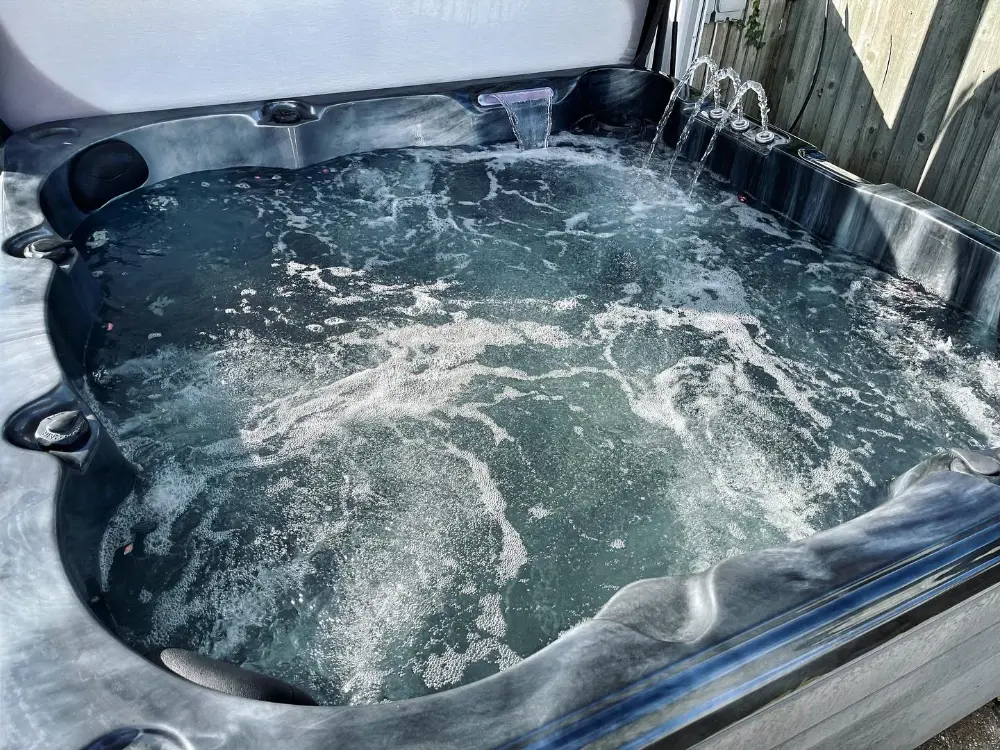
As enjoyable as winter soaking can be, it is important to manage running costs carefully. One of the best ways to do this is to keep the water at a stable water temperature rather than changing it often.
Frequent changes force the system to work harder and use more heat, which can increase bills over time. Keeping a steady, regulated setting is usually more efficient and helps ensure your spa is always ready when you want to use it.
A high quality spa cover is also essential. A good cover helps keep the water warm, reduces heat loss and protects the spa from rain, frost, snow and debris. If your cover is old, heavy or no longer sealing properly, it may be time to replace it. Even a well-made hot tub can lose heat quickly if the cover is not doing its job.
Positioning can also make a difference. If your hot tub or swim spa is installed in an open area, strong wind can strip away heat much faster. Placing it near a sheltered part of the garden, close to a fence, wall or other windbreak, can help maintain the temperature more effectively. It can also make the journey in and out of the spa much more comfortable during cold weather.
Regular care is another important part of cost control. Clean filters, balanced chemicals and well-maintained components all support better performance. When a spa is clean and running properly, it is easier for the system to hold heat and circulate water well. That means less strain on the heater and pump over the long term.
The importance of insulation during colder months
Good insulation is one of the main reasons hot tubs and swim spas perform well in winter. Without it, cold air can lower the temperature quickly, increase energy use and put extra pressure on the system. With the right insulation in place, your spa can hold heat more effectively and stay reliable throughout the colder months.
The spa cover is only one part of this. The cabinet, pipework and base also play a major role in protecting the spa from the cold. Proper insulation around these areas helps prevent freezing problems and supports energy efficiency. This is especially important during long cold spells, when ground temperatures can drop and ice may form around the outside of the unit.
If you are choosing a new product, look for one that is designed for year round outdoor use and built with winter conditions in mind. Full foam insulation, strong cabinet construction and a well-fitted cover all make a big difference. If you already own a spa, routine checks can help you find small gaps or wear before they become a larger issue.
How to prepare your swim spa for winter
Before winter arrives, it is worth taking time to prepare your spa properly. Start by checking the water condition. Test and balance the chemicals, and make sure the water is clean and clear.
Balanced water helps protect internal parts and creates a safer, more pleasant experience for users. It is also wise to shock the water when needed and follow the advice in your product guide for winter care.
Next, inspect the filters and clean them thoroughly. Filters help maintain healthy water and support good circulation, so they need extra attention during periods of frequent use. If they are worn out, replacing them before winter can make the whole process easier.
You should also inspect the cover, cabinet and any visible pipework. Look for signs of wear, damp, gaps or cracking. In freezing weather, even a small weak point can become a bigger problem.
If the hot tub or swim spa will remain in use, make sure the heater, pumps and jets are working correctly. If the spa will not be used, you may need to drain it properly to avoid freeze damage. Draining must be done with care, because leaving small amounts of water behind in the system can still lead to freezing.

If you are unsure, it is always sensible to contact a professional team for advice. A reliable service company can answer questions, inspect the spa and recommend the best process for your set-up. That kind of support can save time, protect your investment and help ensure the unit is ready for winter.
Maintaining water quality in winter
One important point that is often overlooked is that winter water care still matters just as much as it does in summer. In fact, because the cover stays closed for longer periods and the weather is colder, it is important to keep an eye on moisture, circulation and chemical balance.
Using your swim spa or hot tub regularly means you need to keep the water clean and safe. Test the water often, especially during the winter months when more people may be using it for relaxation at weekends or in the evenings. Make sure sanitiser levels are correct, the pH is balanced and the total water condition remains stable. Good water care helps protect your body, prevents cloudy water and supports a better overall experience.
You should also rinse the underside of the spa cover from time to time and remove any build-up that may form there. This simple step helps keep the inside of the spa fresher and makes maintaining the unit easier over the long term.
Make sure your cover is looked after properly
Your spa cover does far more than close the top of the water. It keeps in heat, keeps out dirt, helps maintain water temperature and protects the spa from winter weather. Because of this, cover care deserves its own attention.
Brush snow off the cover gently so that excessive weight does not build up. Never allow ice to pile up and then try to force the cover open. If snow freezes around the edges, clear it carefully to avoid damaging the seal. Keeping the cover clean and dry will help it last longer and continue to perform well.
It is also worth checking that the cover sits flat and closes tightly after each use. Even a small gap can let warm air escape and allow cold air in. That can affect both comfort and energy efficiency. If your cover feels waterlogged or heavy, it may no longer be insulating as well as it should.

Safe access in snow, frost and ice
Another important area not to ignore is safe access around the spa. A hot tub or swim spa may be warm and inviting, but the path to it can become slippery in winter. Snow, frost and ice around the base, steps or decking can increase the risk of slips.
Keep the route from your home to the spa as clear as possible. Remove snow promptly, and check for ice before each use. Non-slip steps, handrails and good outdoor lighting can all make a big difference. Having towels, robes and footwear close by will also make the transition quicker and more comfortable, which helps you stay warm.
If your spa is built into the ground or set into decking, check that drainage remains open and that water is not collecting around it. Standing water can freeze quickly in low temperatures and create an avoidable hazard.
What temperature should you set in winter?
Finding the right water temperature is about both comfort and efficiency. Most people prefer slightly warmer settings in winter because the contrast with the air is greater. A steady setting is usually better than turning the heat up and down each day. This helps keep the water ready for use and reduces unnecessary strain on the system.
If you use a swim spa for exercise, you may prefer a lower water temperature than you would for quiet relaxation. A family that uses the spa in different ways may need to find a balance that suits everyone. No matter the exact setting, it is important to make sure the temperature is regulated correctly and checked regularly so the system stays safe and reliable.
Using a swim spa for exercise during winter
A swim spa can be especially valuable in winter because it offers a practical way to stay active at home. When outdoor exercise becomes less appealing because of wind, rain or freezing temperatures, a swim spa gives you a warm and controlled space to move your body.
You can use a swim spa for swimming against the current, light resistance work, stretching or recovery after training. This makes it a great option for people who want to maintain their routine during the colder months. Warm water can also help prepare muscles for movement, while the jets may support relaxation afterwards.
If you plan to use a swim spa for exercise in winter, make sure the water temperature suits that purpose and that the cover can be opened and closed easily. The simpler the set-up, the more likely you are to enjoy using your swim spa regularly.
What to wear in a hot tub or swim spa in winter
Comfort matters in winter, and what you wear before and after your soak can shape the whole experience. Standard swimwear is still the best choice in the water, but staying warm outside the spa is just as important. A robe, slippers and a hat can all help reduce the shock of the cold air and make it easier to relax.
Try to keep towels and dry clothing close to the spa so you do not spend too long in the cold after getting out. Some people also find it helpful to warm a robe indoors before use. Small details like this can make using your swim spa or hot tub in winter feel much more comfortable and inviting.
When should you drain a hot tub or swim spa?
If you plan to keep using the spa through winter, do not drain it unless maintenance or repairs require it. A full, heated and properly maintained spa is usually better protected than one that has been shut down badly. However, if the spa will be left unused for a long period, draining may be the better option.
This needs to be done carefully. Water can remain in the pipework, pumps and jets even after the main shell looks empty. If temperatures fall below freezing, leftover water can expand and cause damage. That is why it is important to follow the correct process or ask a trained team for help. A rushed drain-down can lead to expensive issues later.
Final thoughts on using your swim spa or hot tub in winter
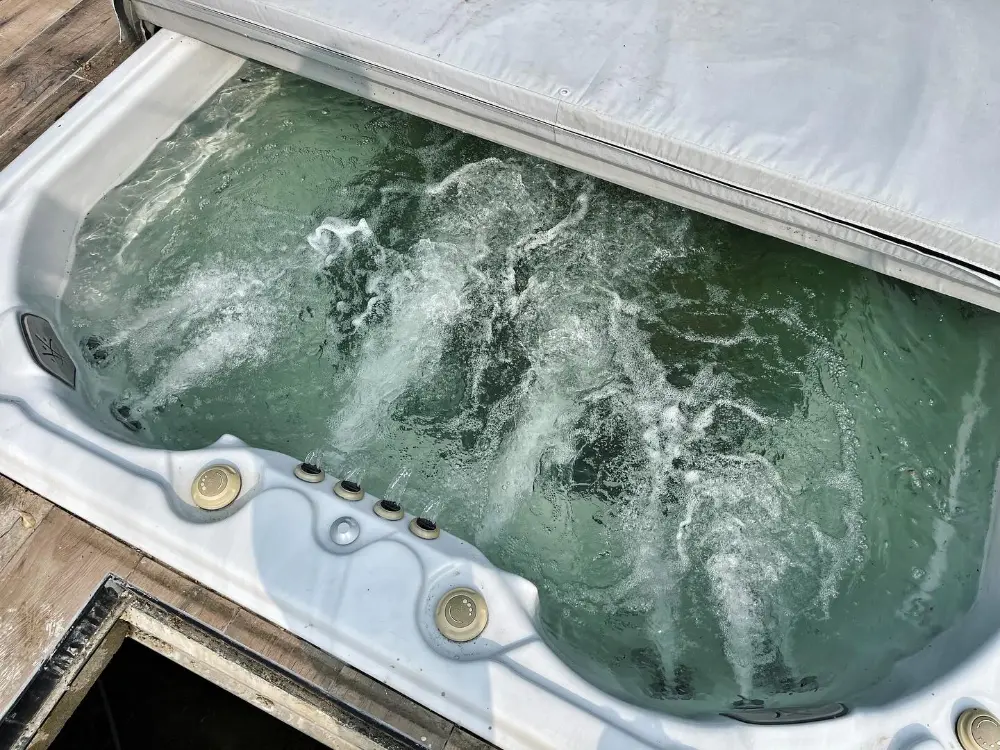
Using your swim spa or hot tub in winter can be one of the best ways to enjoy your outdoor space year round. With warm water, good insulation, a reliable spa cover and regular maintenance, hot tubs and swim spas can remain comfortable, efficient and ready to use throughout the season.
The key is preparation. Keep the water clean, maintain a steady temperature, protect the cover, clear snow and ice, and make sure access is safe. Whether you want to relax after a long day, enjoy a peaceful evening under the stars, or use a swim spa for exercise at home, winter can be the perfect season to make the most of it.
If you have questions about the best product for your space, need advice on maintaining your spa during cold weather, or want help choosing between hot tubs, hot tubs and swim spas, and a dedicated swim spa, contact us. Our team can offer information, explain the process, answer by email, and help you find the right option for your home and garden.
At The Hot Tub Engineer, I provide expert-level services for hot tubs, swim spas, and pools in and around Maidstone, Kent. I can carry out yearly servicing appointments, as well as cleaning sessions, general maintenance, installations, and more.