
Which Jacuzzi Components Need Regular Attention?
Several Jacuzzi components benefit from regular inspection and maintenance because they operate whenever the system is heating, filtering or circulating water. The pump and circulation system should be checked for correct operation, unusual noises and signs of leakage. Filters need regular cleaning because restricted water flow can place additional strain on pumps and heaters.
The heater should also be inspected for scale, corrosion and performance problems. Jets and pipework can develop blockages, while seals, valves and connections may gradually wear. Controls, sensors and temperature equipment need checking to make sure they are responding correctly. Electrical components should remain dry, secure and in good condition.
The Jacuzzi cover and external cabinet are also worth inspecting because they protect the equipment and help retain heat. Looking at these areas together makes it easier to identify developing problems before individual component faults begin affecting the wider system.
Protecting the Jacuzzi Pump
The Jacuzzi pump is one of the most important components because it moves water through the filtration, heating and jet systems. Regular servicing helps reduce unnecessary strain and identifies problems before the pump stops operating completely. Restricted water flow is a common cause of additional pump workload. Dirty filters, blocked pipework or partially closed valves can force the pump to work harder than normal. An engineer can check whether water is moving through the system correctly and inspect the pump for unusual noises, vibration or overheating. Leaks around pump connections and seals should also be addressed early. Even a small leak can worsen and may eventually damage nearby equipment.

Air entering the circulation system can also affect pump performance. The cause should be investigated if the pump repeatedly loses prime or produces unusual water flow.
Keeping water levels correct is equally important because some systems can be damaged if the pump operates without sufficient water.
Regular maintenance cannot prevent every mechanical failure, but it can reduce avoidable wear.
By keeping filters, valves and pipework in good condition, servicing allows the pump to operate under more normal conditions and can help extend its useful working life.
Preventing Damage to the Heater
The heater keeps Jacuzzi water at the selected temperature and can be affected by scale, restricted flow and poor water chemistry. Regular servicing helps identify these problems before heating performance becomes unreliable. Scale can form around heating elements or heat exchangers where mineral levels are high.
This can reduce heat transfer and make the heater work harder. Restricted water flow can also cause overheating or prevent the system from heating correctly. Filters and circulation components should therefore remain clean and unobstructed. Incorrect water chemistry may contribute to corrosion of heater parts and connections.
A professional service can include checking heating performance, water flow and visible component condition. Unusual temperature changes or repeated heating faults should not be ignored. Keeping the heater clean and supplied with suitable water flow reduces unnecessary strain and helps prevent avoidable damage to one of the more important Jacuzzi components.
Keeping Filters Clean and Effective
Jacuzzi filters remove debris and contaminants from the circulating water. When they become dirty or blocked, water flow can decrease and other components may need to work harder to maintain normal operation. Regular filter cleaning is therefore important for both water quality and equipment protection. A restricted filter can reduce the amount of water reaching the pump and heater. This may cause weaker circulation, poor jet performance or heating problems. Filters should be inspected regularly and cleaned according to the requirements of the specific Jacuzzi system.
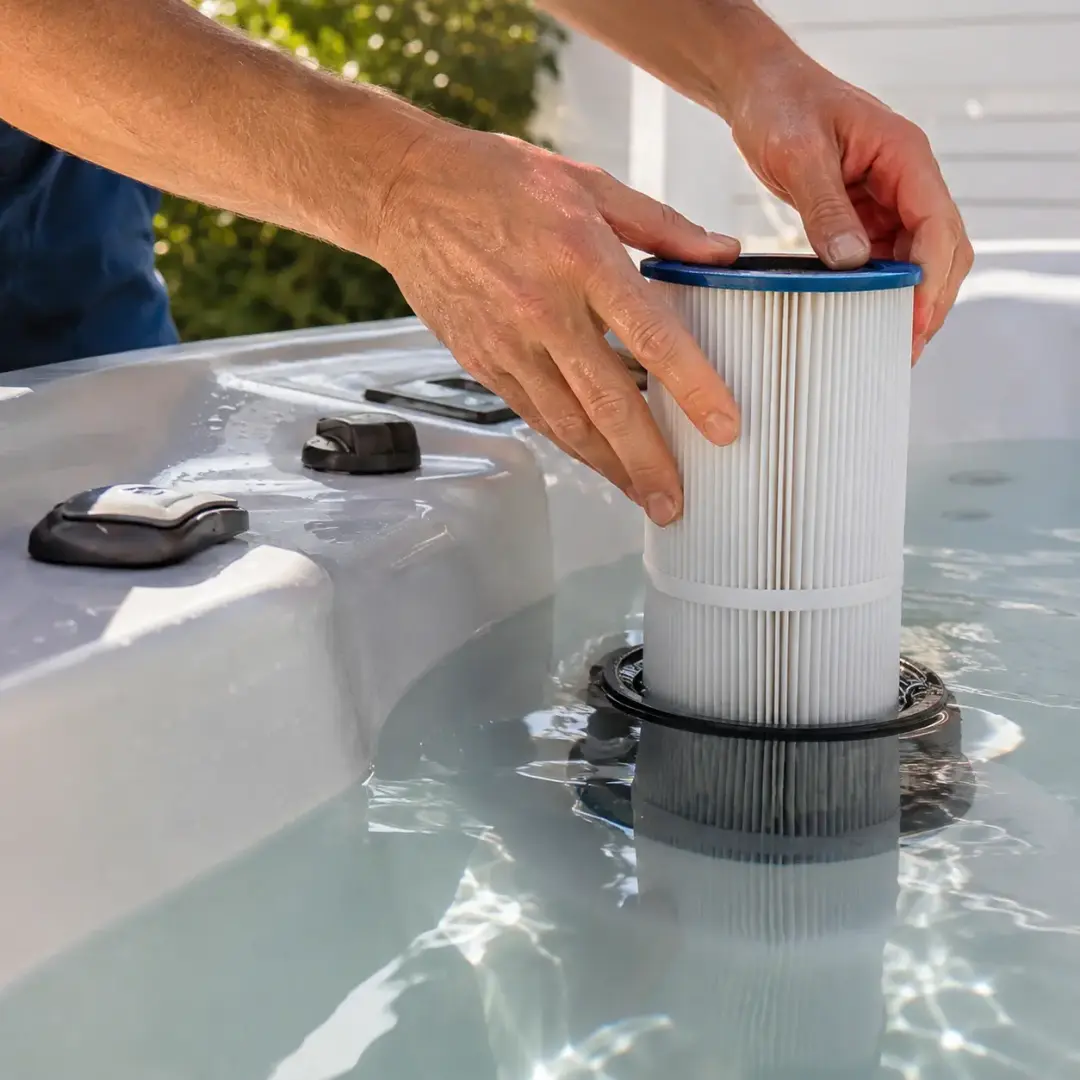
Over time, cleaning may no longer restore the filter properly. Damaged, worn or heavily contaminated filter cartridges should then be replaced. The filter housing should also be checked for debris or damage. Water quality provides another clue.
If the water becomes cloudy quickly despite normal treatment, poor filtration may be contributing. Using the correct replacement filter is important because unsuitable components can affect flow.
Regular servicing gives an engineer the opportunity to inspect the filtration system alongside pumps, pipework and controls. Keeping filters in good condition allows water to circulate more freely and reduces unnecessary workload on other components, helping the Jacuzzi operate more reliably.
Protecting Jets from Blockages
Jacuzzi jets can become restricted by scale, debris and other material carried through the water system. When individual jets are partially blocked, water flow may become weaker or uneven. Regular cleaning helps prevent deposits building up inside the jet openings.
Water chemistry is especially important because high mineral levels can contribute to scale around internal surfaces. Filters should also remain effective so larger debris does not circulate through the pipework. Jets that can be removed should only be cleaned according to the manufacturer's recommendations.
Do not force objects into small openings, as this may damage internal components. If several jets lose pressure at the same time, the problem may be elsewhere in the circulation system rather than at each individual jet. A professional Jacuzzi engineer can check flow and determine whether cleaning, adjustment or further investigation is required. Preventing blockages supports consistent jet performance while reducing unnecessary pressure on circulation equipment.
Keeping Water Flow at the Correct Level
Correct water flow is essential because Jacuzzi pumps, heaters, filters and jets all depend on water circulating properly through the system. Reduced flow can create poor performance and place additional strain on important components. Several problems can affect circulation. Dirty filters, blocked jets, restricted pipework and partially closed valves are common examples. Low water levels can also allow air to enter the system, which may interfere with pump operation. During servicing, water flow can be checked while the engineer inspects filters, pumps and valves for restrictions. Weak jet pressure, unusual pump noises or heating problems can all indicate that circulation is not normal.

The water level itself should remain within the recommended range. Too little water can expose intakes or affect the pump, while excessive filling may create other operational problems.
Good filtration helps maintain flow by preventing debris from moving into narrower parts of the system. Scale control is equally important because mineral deposits can gradually reduce the internal diameter of pipes and fittings.
Maintaining correct water flow allows components to operate under the conditions they were designed for. This can reduce wear, improve heating performance and lower the risk of circulation-related breakdowns.
Preventing Scale Build-Up in Pipework
Scale can form inside Jacuzzi pipework when minerals in the water collect on internal surfaces. Over time, these deposits may reduce water flow and affect pumps, heaters and jets. Maintaining suitable water chemistry is one of the main ways to reduce scale formation. Regular servicing can also identify signs of mineral build-up before restrictions become severe.
The heater is particularly vulnerable because higher temperatures can encourage deposits to form around heating surfaces. Jets and smaller pipe connections can also become restricted. Cleaning methods depend on the system and severity of the scale. Avoid using unsuitable household chemicals because they may damage seals or internal materials.
A professional engineer can advise whether system cleaning or component treatment is required. Preventing scale is generally easier than dealing with heavily restricted pipework later. Good water management, regular cleaning and routine inspection can help keep internal passages clear and protect the wider circulation system.
Reducing the Risk of Pipe Blockages
Jacuzzi pipework carries water between the pump, filter, heater and jets. Blockages within these pipes can reduce circulation and cause other components to operate under increased strain. Filters provide the first line of protection by capturing debris before it travels further through the system. Keeping them clean and correctly installed therefore helps protect internal pipework.
Scale and residue can still build up over time, particularly where water chemistry is not maintained properly. Regular system cleaning may help reduce deposits before they become thick enough to restrict flow. Foreign objects and loose debris should also be prevented from entering the Jacuzzi.
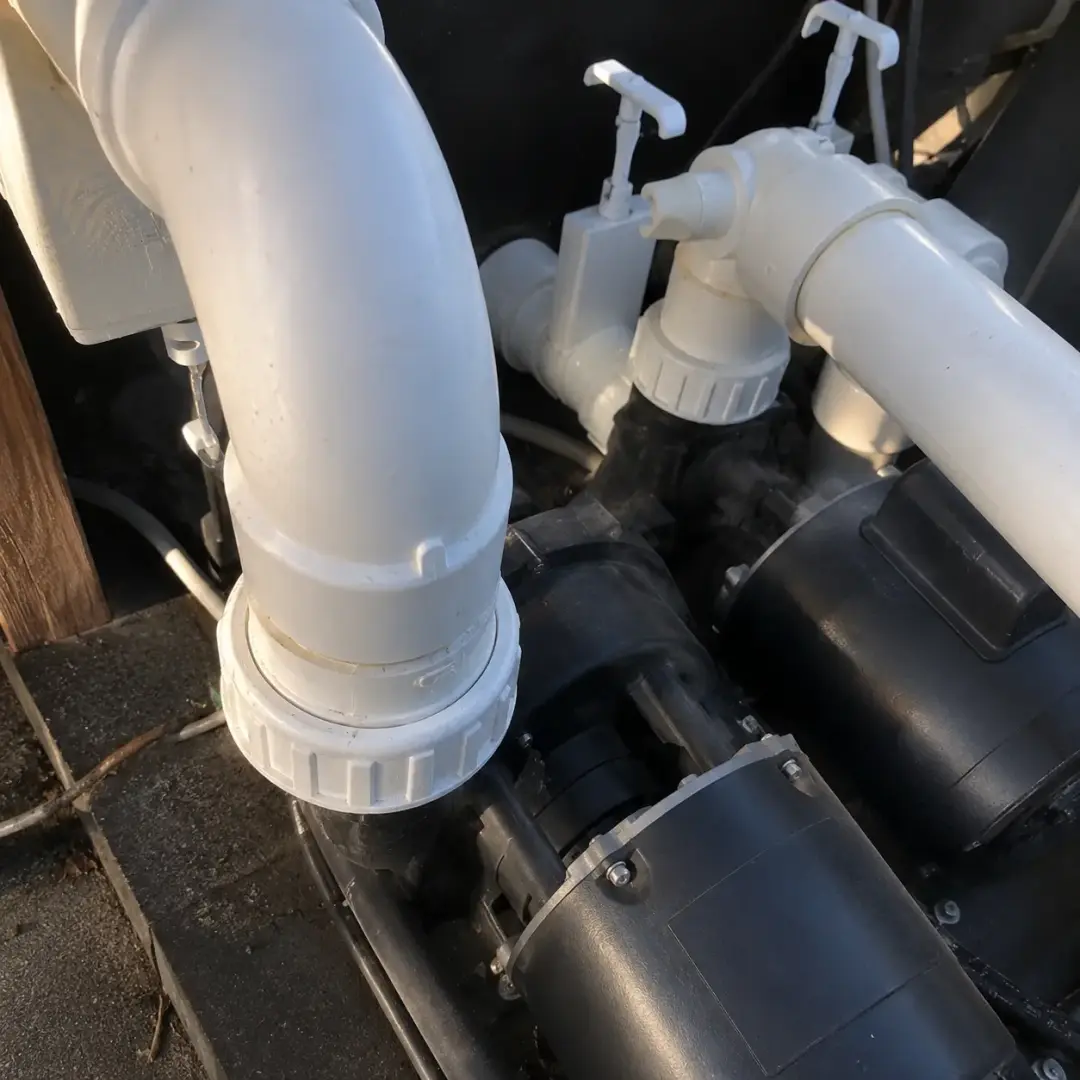
Changes in jet pressure can sometimes indicate a developing restriction. One weak jet may have a local blockage, while reduced pressure across several outlets can suggest a wider circulation problem. Professional servicing can identify whether water flow remains within normal operating conditions.
Where a blockage is suspected, an engineer can investigate without damaging the pipework. Avoid pushing tools or unsuitable chemicals into the system in an attempt to clear restrictions. Maintaining clean water, effective filtration and suitable chemical levels reduces the likelihood of pipe blockages and helps protect the pump and heater from additional workload.
Protecting Seals and Connections
Seals and connections help keep water contained within the Jacuzzi circulation system. Over time, heat, chemicals and normal use can cause these parts to harden, crack or loosen. Regular servicing allows small leaks to be identified around pumps, heaters, valves and pipe joints. Dampness or mineral deposits around a connection can indicate that water has been escaping slowly.
Correct water chemistry is important because unsuitable chemical levels can accelerate deterioration of some materials. Connections should not simply be tightened excessively, as this can damage fittings or seals. Where a seal has worn, replacement is usually more effective than repeatedly adjusting the joint.
A Jacuzzi engineer can identify which part is leaking and determine whether the connection, seal or surrounding component needs attention. Dealing with minor leaks early helps prevent water reaching electrical equipment or causing damage inside the cabinet. Routine checks can therefore protect both the circulation system and nearby components.
Checking for Small Leaks Before They Get Worse
Small leaks can gradually develop around pumps, heaters, valves, unions and pipe connections. They may initially produce only slight dampness, making them easy to overlook during normal Jacuzzi use. Regular servicing helps identify these leaks before they become larger or begin affecting other components. Look for water marks, damp insulation or mineral deposits around fittings. A noticeable drop in water level that cannot be explained by normal use may also indicate leakage. Leaks inside the cabinet can be particularly important because water may reach electrical components, timber or other materials that should remain dry.
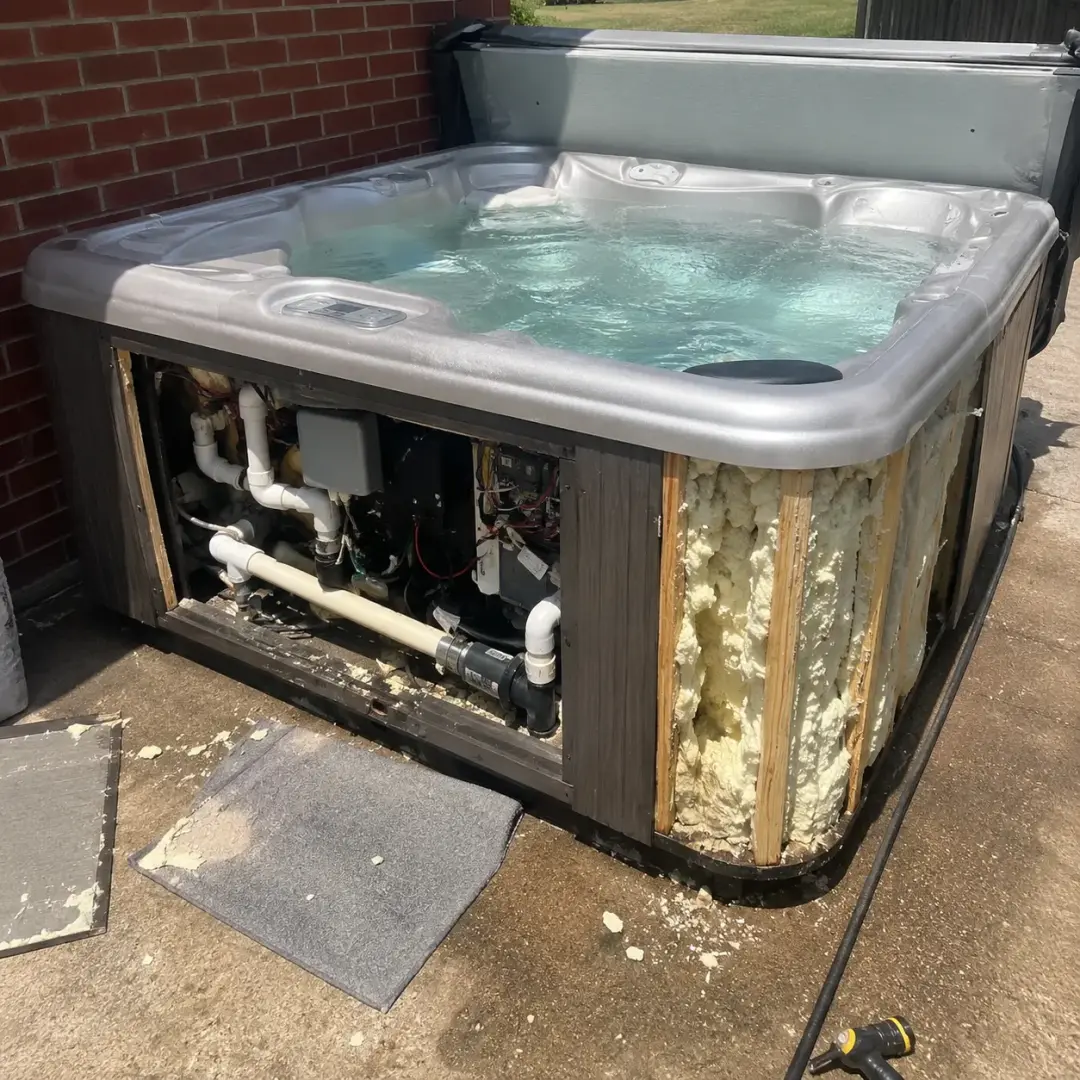
A leaking seal can sometimes be replaced relatively easily when detected early. If the problem continues, surrounding parts may corrode or become damaged.
Water can also travel along pipework before becoming visible, meaning the apparent location is not always the actual source. Professional investigation can identify where the leak begins and which component needs repair.
Repeatedly topping up the Jacuzzi without finding the cause is not a long-term solution. Early leak detection can reduce water loss, prevent secondary damage and avoid a small seal or connection problem developing into a more expensive repair.
Preventing Damage to Valves
Valves control the movement of water through different parts of a Jacuzzi system. They can become stiff, blocked or damaged if debris and scale are allowed to build up. Regular servicing gives an engineer the opportunity to check that important valves operate correctly. Connections around valves should also be inspected for leakage.
Forcing a stiff valve can damage handles, stems or internal seals. If a valve is difficult to move, the cause should be investigated rather than applying excessive pressure. Water chemistry affects these components as well because corrosion or scale can interfere with internal movement. Keeping the filtration system clean reduces the amount of debris reaching valve mechanisms.
Where a valve is damaged, replacement may be necessary to restore normal water control. Reliable valves help the wider circulation system operate correctly and can make future maintenance easier by allowing sections to be isolated when required.
Protecting the Control System
The Jacuzzi control system manages functions such as temperature, pumps, jets and filtration cycles. Protecting it is important because electrical or control faults can affect several parts of the Jacuzzi at the same time. Regular servicing can include checking the control panel, connections and system responses. Buttons or displays that behave inconsistently may indicate a developing problem. Moisture is a major concern around control equipment. Leaks inside the cabinet should be repaired before water reaches electrical components. The control enclosure and related connections should remain secure and dry. Repeated error messages should not simply be cleared without investigating why they are appearing.
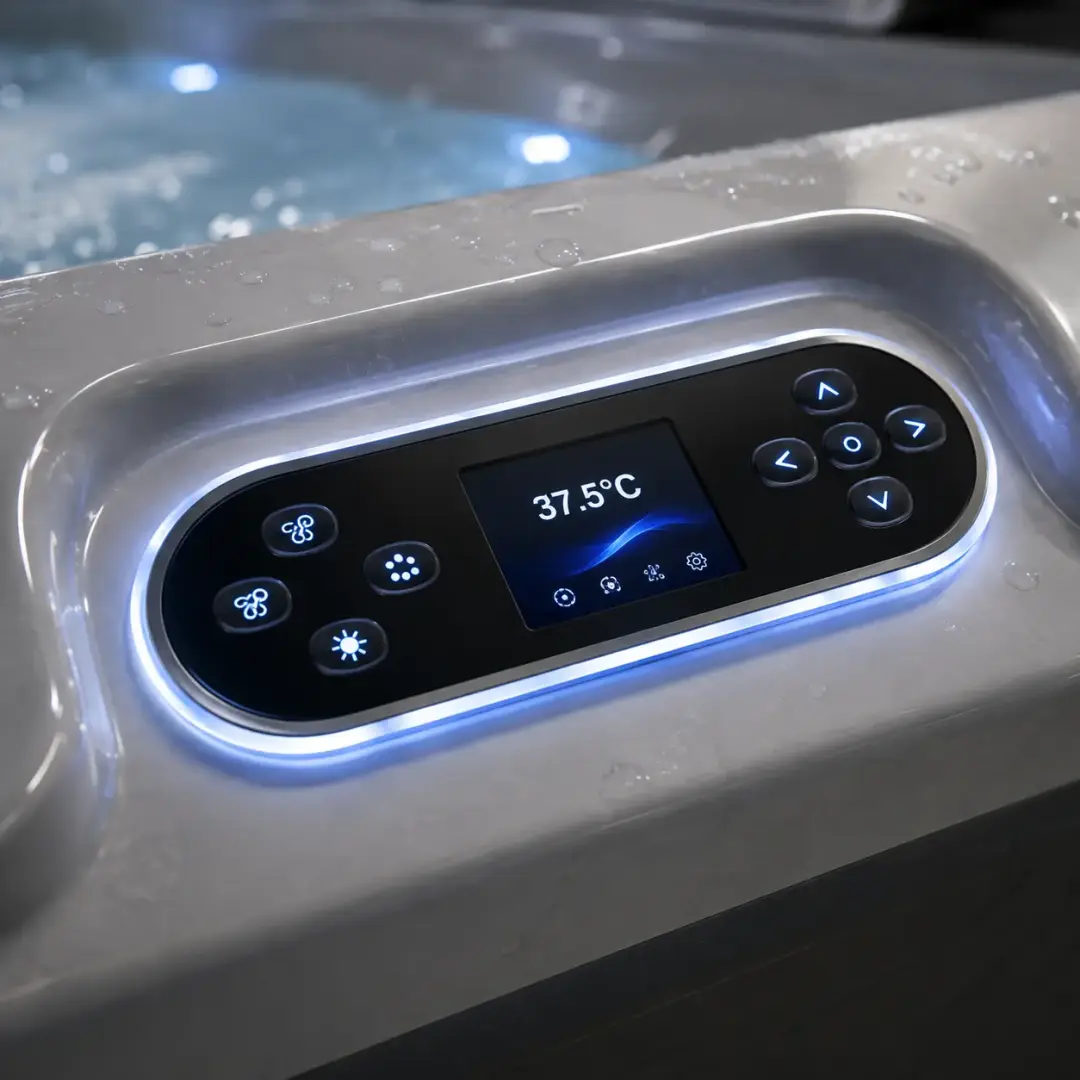
Sensors connected to the control system also need to provide accurate information. Incorrect temperature or flow readings can cause heaters and pumps to operate unnecessarily or stop at the wrong time.
Electrical work should be completed by appropriately qualified professionals rather than through trial-and-error repairs.
A Jacuzzi engineer can test how the control system communicates with other components and identify whether faults originate from the panel, sensors or connected equipment. Maintaining reliable controls allows the Jacuzzi to operate according to its intended settings and can prevent other components being exposed to incorrect operating conditions.
Checking Sensors and Temperature Controls
Sensors and temperature controls help the Jacuzzi maintain the selected water temperature and protect components from unsuitable operating conditions. A faulty sensor can provide inaccurate readings and cause heating behaviour to become unreliable. Signs can include water that becomes hotter or colder than expected or temperature displays that do not match independent readings.
Controls may also generate error messages when they detect abnormal conditions. Repeatedly adjusting the temperature setting will not correct a faulty sensor.
During professional servicing, an engineer can check whether sensors are reading accurately and whether the heater responds correctly. Connections should also be inspected because loose wiring can create intermittent faults.
Scale or water damage may affect certain sensing components depending on their location. Accurate controls allow the heater and circulation system to operate only when required. Keeping sensors in good condition therefore supports both component protection and more consistent Jacuzzi temperatures.
Keeping Electrical Components in Good Condition
Jacuzzis rely on electrical components to operate pumps, heaters, controls, lights and other features. These parts need to remain secure, dry and in good condition to support safe and reliable operation. Regular servicing can identify signs of overheating, loose connections, corrosion or moisture around electrical equipment. Leaks are particularly important because water entering the equipment area can affect wiring, control boards and motors. Electrical enclosures should not be opened or repaired by unqualified users.
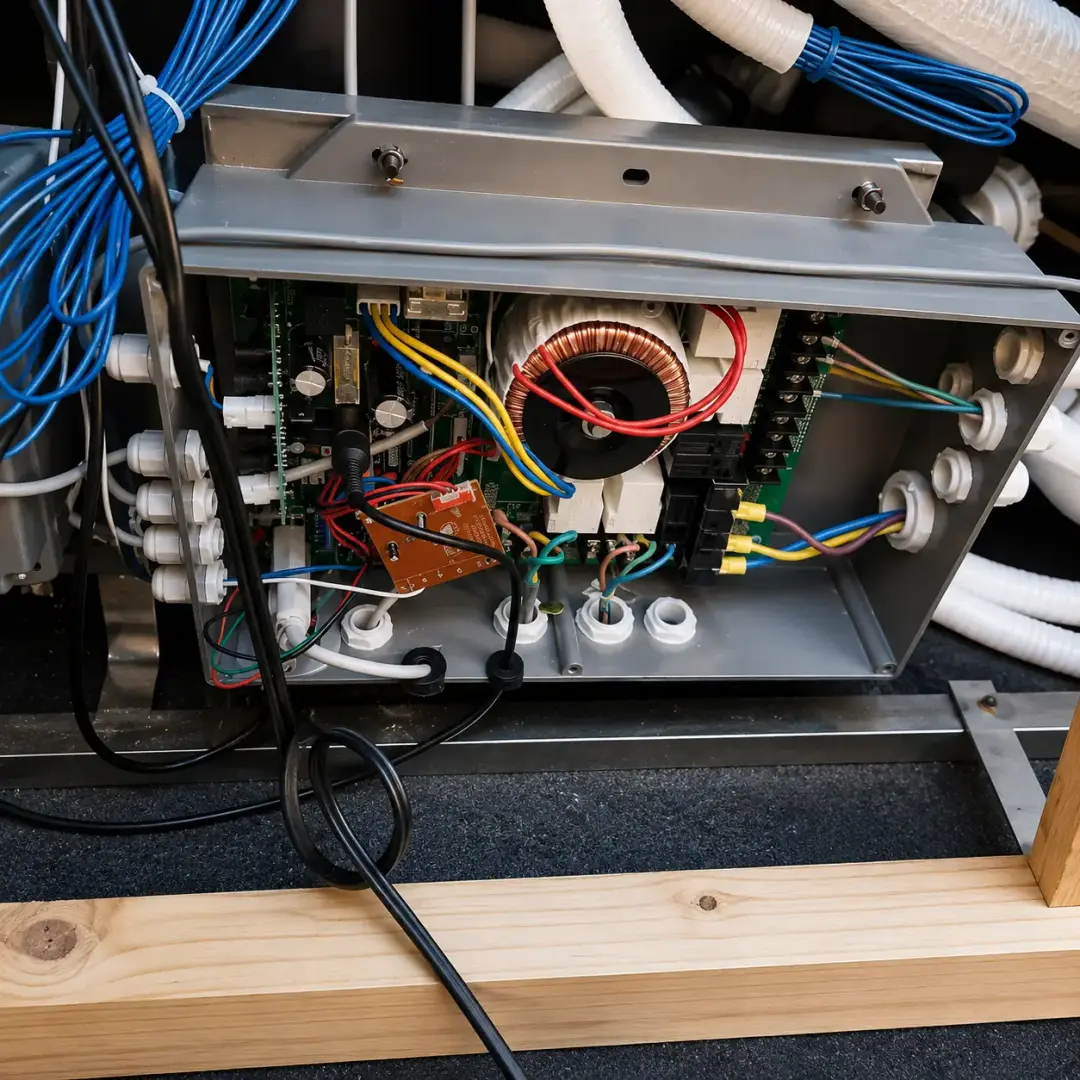
Repeated tripping, burning smells, flickering displays or intermittent equipment operation should be treated as warning signs. The power supply and protective devices also need to be suitable for the Jacuzzi installation.
A professional engineer can inspect relevant components and determine whether worn electrical parts need replacement. Connections can loosen gradually through vibration and repeated heating and cooling cycles. Motors and heaters can also draw abnormal current when mechanical or circulation problems develop.
Electrical faults should be addressed at their source rather than repeatedly resetting the system. Keeping these components in good condition helps prevent sudden shutdowns and protects more expensive equipment from secondary damage caused by unreliable power or control connections.
Protecting the Circulation System
The circulation system moves water through the filter, heater and internal pipework, helping maintain clean and evenly heated water. Restricted circulation can place additional strain on several components. Filters should remain clean so the circulation pump can move water without unnecessary resistance. Water levels should also stay within the recommended range.
Scale, debris and blocked pipework can gradually reduce flow. Regular servicing can identify weak circulation before it results in heating or filtration problems. The pump should be checked for unusual noises and leaks. Air entering the system may also interfere with circulation and should be investigated. Good water chemistry reduces deposits inside pipes and fittings.
A professional Jacuzzi engineer can check flow and identify whether restrictions are caused by filters, valves, pumps or other components. Protecting the circulation system supports both water quality and the reliable operation of the heater and jets.
Preventing Strain on Pumps and Motors
Pumps and motors can experience unnecessary strain when water flow is restricted or operating conditions are poor. Regular servicing helps identify the causes of excessive workload before mechanical parts wear prematurely.
Dirty filters are one of the most common restrictions because the pump must work harder to move water through them. Blocked jets, scale inside pipes and incorrectly positioned valves can have similar effects. Low water levels can allow air into the system and interfere with normal pump operation.
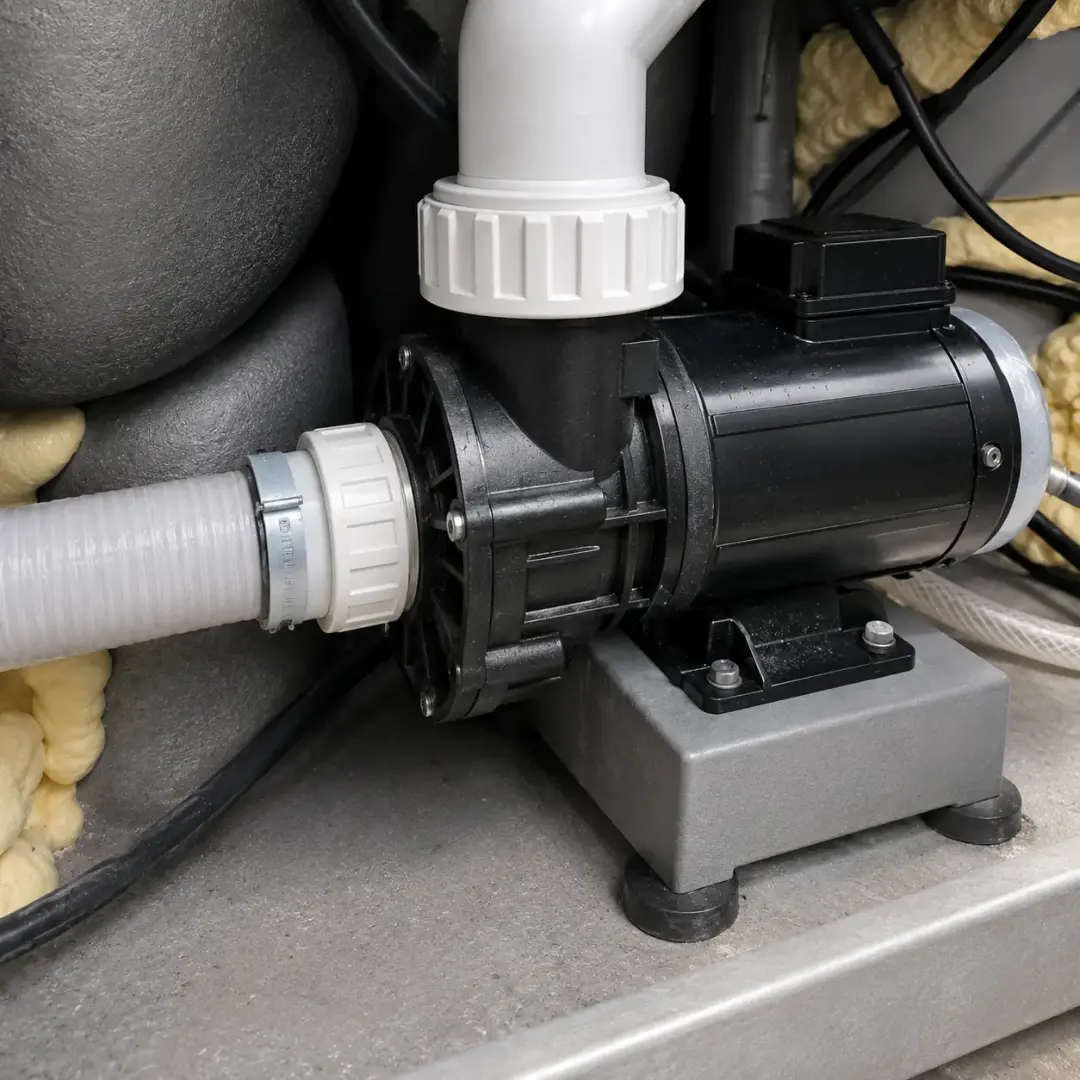
Motors should also have sufficient ventilation so they do not overheat inside the equipment area. Unusual humming, vibration or increased operating noise can indicate that a motor or pump needs attention.
Repeatedly running equipment when these warning signs are present may lead to complete failure. An engineer can check circulation, electrical operation and mechanical condition during a service. Worn seals or bearings may be replaced before they damage surrounding components.
The correct operating schedule is also important. Pumps should run according to the system's intended filtration and heating requirements rather than being forced to compensate for water quality problems. Reducing unnecessary resistance and maintaining good circulation helps pumps and motors work under more normal loads, supporting longer component life and improved reliability.
How Water Quality Affects Jacuzzi Components
Water quality has a direct effect on many Jacuzzi components because pumps, heaters, pipes, jets and seals are continuously exposed to the water. Incorrect chemical balance can encourage scale, corrosion and damage to internal surfaces. Dirty water can also carry debris into filters and smaller circulation passages.
Maintaining the recommended chemical levels helps reduce these problems. Water should be tested regularly using suitable methods. The Jacuzzi should also be drained and cleaned at intervals appropriate for the system and level of use. Poor water quality can create problems even when mechanical components are otherwise in good condition.
Filters may block more quickly, scale can form around heaters and seals can deteriorate. A Jacuzzi engineer can often identify signs that water chemistry has been affecting components. Good maintenance therefore involves both mechanical servicing and responsible water care. Keeping the water properly treated helps protect the equipment that circulates and heats it.
Why Incorrect Chemical Levels Can Cause Damage
Incorrect chemical levels can damage Jacuzzi components even when the water appears clean. Water that is too acidic or otherwise poorly balanced may contribute to corrosion of heaters, fittings and metal components.
Water with excessive mineral content can encourage scale to form inside pipework and around heating surfaces. Scale reduces heat transfer and can restrict smaller passages. High chemical concentrations may also affect seals, plastics and other materials over time. The correct balance depends on the Jacuzzi and water treatment system, so products should be used according to appropriate guidance.
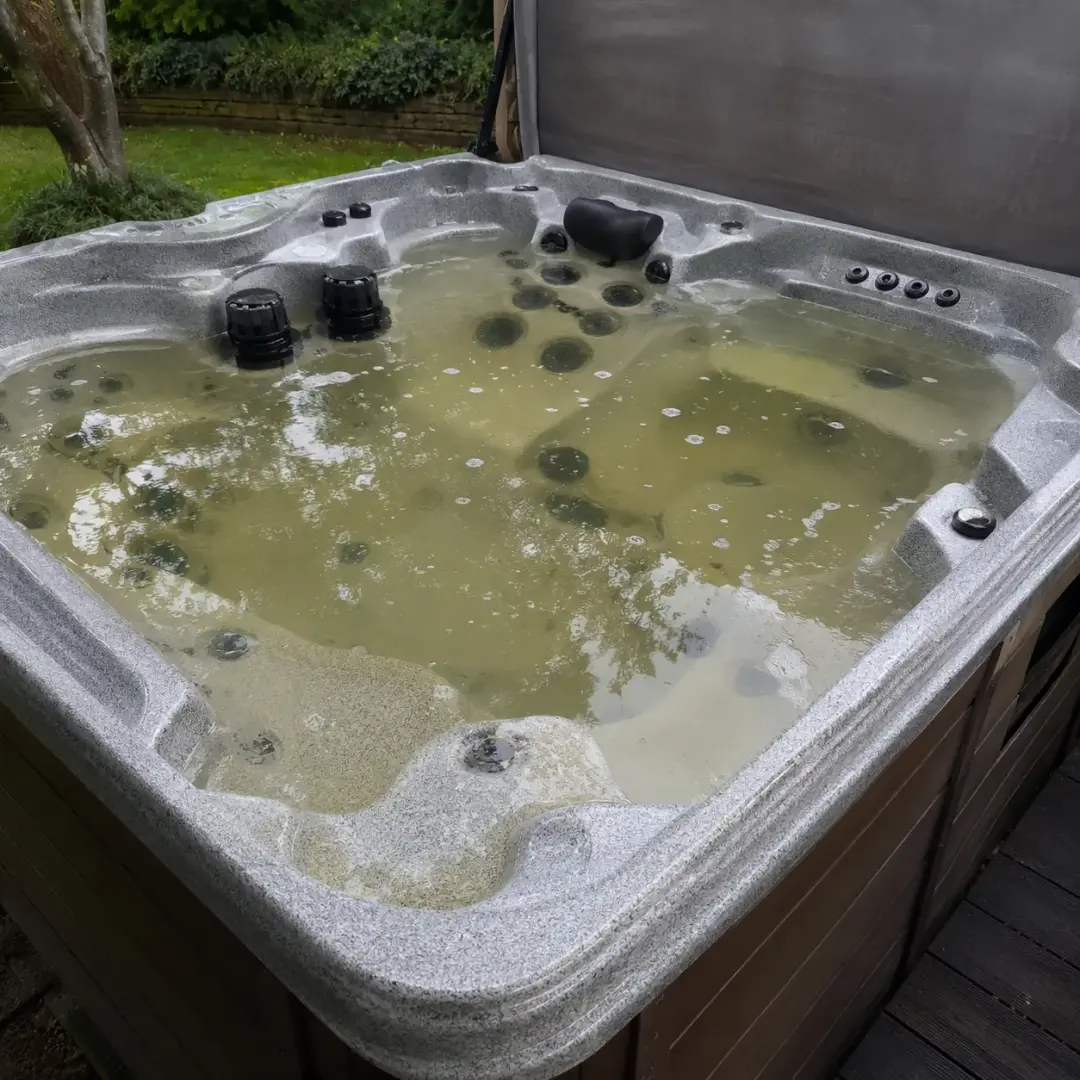
Adding more chemical than required is not a reliable way to improve water quality. Regular testing is important because appearance alone cannot confirm that water is properly balanced. Chemical products should be added carefully and allowed to circulate as recommended.
During servicing, an engineer may identify corrosion, scale or deteriorated components that suggest ongoing water balance problems. Correcting the water chemistry can help prevent replacement parts suffering the same damage.
Good chemical management also supports filtration and general cleanliness. Protecting Jacuzzi components therefore requires consistent water testing rather than waiting until visible scale, staining or corrosion develops. Preventing
The Hot Tub Engineer provides a range of Jacuzzi maintenance services, such as valve maintenance, system inspections, and chemical testing, to help keep your spa in peak condition. Each part of a Jacuzzi plays a vital role, and my regular maintenance service helps to prevent faults, improve the spa's performance, and extend the system’s lifespan.