
Have you asked: how can unclean hot tubs affect your health? This guide explains how hot tub water can carry bacteria and germs, what symptoms to look for, and the simple steps that reduce the risk of infection or injury. Many people enjoy a warm water soak for muscle aches and stress relief. To keep that experience safe, you need clean water, the right disinfectant, and regular checks.
The Centres for Disease Control and Prevention, also called the CDC, provides clear information on hot tub safety. The CDC recommends keeping disinfectant and pH levels within set ranges, showering before and after you use a hot tub, and staying out if you are sick. You can find more prevention advice on the CDC website for disease control and prevention.
How germs spread in hot tub water
Warm water and air bubbles make a relaxing dip, but they also help bacteria grow. If levels of chlorine or bromine are too low, germs can spread across the tub and onto the skin. When the jets run, tiny droplets rise into the air. People then breathe those droplets, which can lead to lung infection in some cases.
Build-up inside pipes can form a sticky layer called biofilm. Germs sit inside this layer and resist chemicals. That is why cleaning, not just adding disinfectant, matters. Keeping filters clean and working prevents dirty water from cycling back through the tub.
Legionnaires’ Disease and Pontiac fever
One of the most serious health risks from contaminated hot tub water is Legionnaires’ disease. It is caused by legionella bacteria that grow in warm water, especially in tubs that are not cleaned. Using a hot tub with contaminated water can lead to fever, cough, shortness of breath, muscle pains and headaches. In severe cases it can be life threatening.
A related illness called Pontiac fever also comes from legionella. It causes flu-like symptoms such as fever and aches, but without pneumonia. If you develop symptoms after a recent soak, seek medical advice. In any case, keep a note of the date and place where you used the tub. This helps health teams find the source if more cases are found.

Pseudomonas and “hot tub rash”
Pseudomonas aeruginosa is a germ that loves warm, poorly disinfected water. It can cause hot tub rash, also called Pseudomonas folliculitis.
The skin may show red, itchy bumps, sometimes pus filled, a day or two after using hot tubs that are not clean.
The rash often appears where a swimsuit traps water against the body.
Most cases settle, but if the rash becomes painful or you feel unwell, speak to a clinician.
Cryptosporidium and diarrhoea
Unsanitary hot tub water may increase the risk of urinary tract infections. Bacteria can enter the body during a long soak, especially if the disinfectant is low. Signs include a burning feeling when you pass urine and the need to go more often. Showering after use and keeping the tub clean helps reduce this risk.
UTIs and sensitive areas
Unsanitary hot tub water may increase the risk of urinary tract infections. Bacteria can enter the body during a long soak, especially if the disinfectant is low. Signs include a burning feeling when you pass urine and the need to go more often. Showering after use and keeping the tub clean helps reduce this risk.
Hot Tub Lung
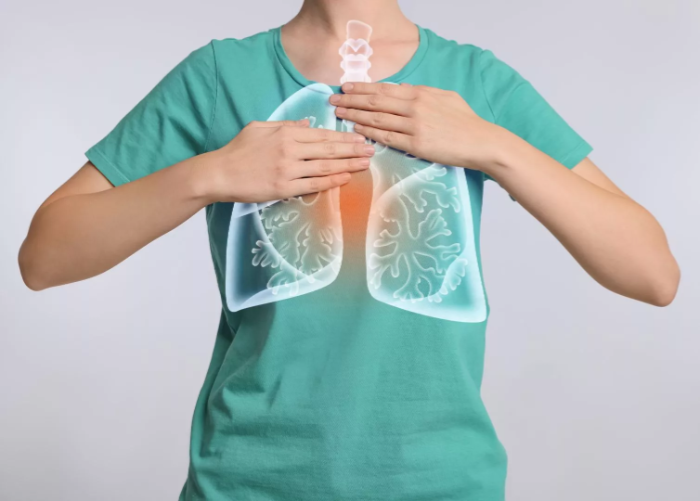
Hot Tub Lung is linked to breathing in tiny droplets that contain Mycobacterium avium complex.
People with healthy immune systems usually do not become ill, but those with existing health problems can develop a cough, shortness of breath, tiredness and weight loss.
Good cleaning, correct disinfectant levels and regular maintenance reduce exposure.
Irritated skin, eyes and breathing
Skin and eye irritation often result from low disinfectant or from pH outside the safe range. Water that is too acidic or too alkaline may sting the eyes and make the skin itch. Strong chemical smells can also make it hard to breathe. These problems usually point to poor balance rather than “too many chemicals,” so check the levels instead of adding more products at random.

Pregnancy, children and people with health issues
Warm water affects body temperature and blood pressure. Take extra care in pregnancy, especially in the first trimester. Many health bodies advise avoiding hot tubs during early pregnancy, and later in pregnancy keep sessions short to prevent a rise in core body temperature.
Children are at higher risk of overheating because their bodies warm up faster. People with heart problems, lung disease or who are taking certain medicines should talk to a clinician before using a hot tub. If you feel faint, sick or short of breath, get out at once.
Alcohol and other risk factors
Alcohol, some drugs and very hot water increase the risk of injury. Alcohol can make you feel too warm, slow your reaction time and lead to falls when you try to sit, stand or step out. It also makes dehydration more likely. Keep water close by, limit time in the tub, and avoid alcohol when you plan to use a hot tub.
Daily checks that keep water safe
Clean water and steady disinfectant are the best prevention. Make sure you test and record results every day you run the tub.
- Chlorine: aim for at least 3 parts per million. Many experts suggest 3 to 5 ppm for hot tubs.
- Bromine: bromine levels are often kept around 4 to 6 ppm.
- pH levels: keep pH between 7.2 and 7.8 to protect skin and to help the disinfectant work.
- Water temperatures: most people set hot tubs at or below 40°C. Hotter water raises risk.
Use good-quality test strips or a digital tester. Adjust one factor at a time. If the water looks cloudy, smells odd or you cannot balance the levels, stop using the tub and start a full clean.
Simple cleaning steps that prevent infection
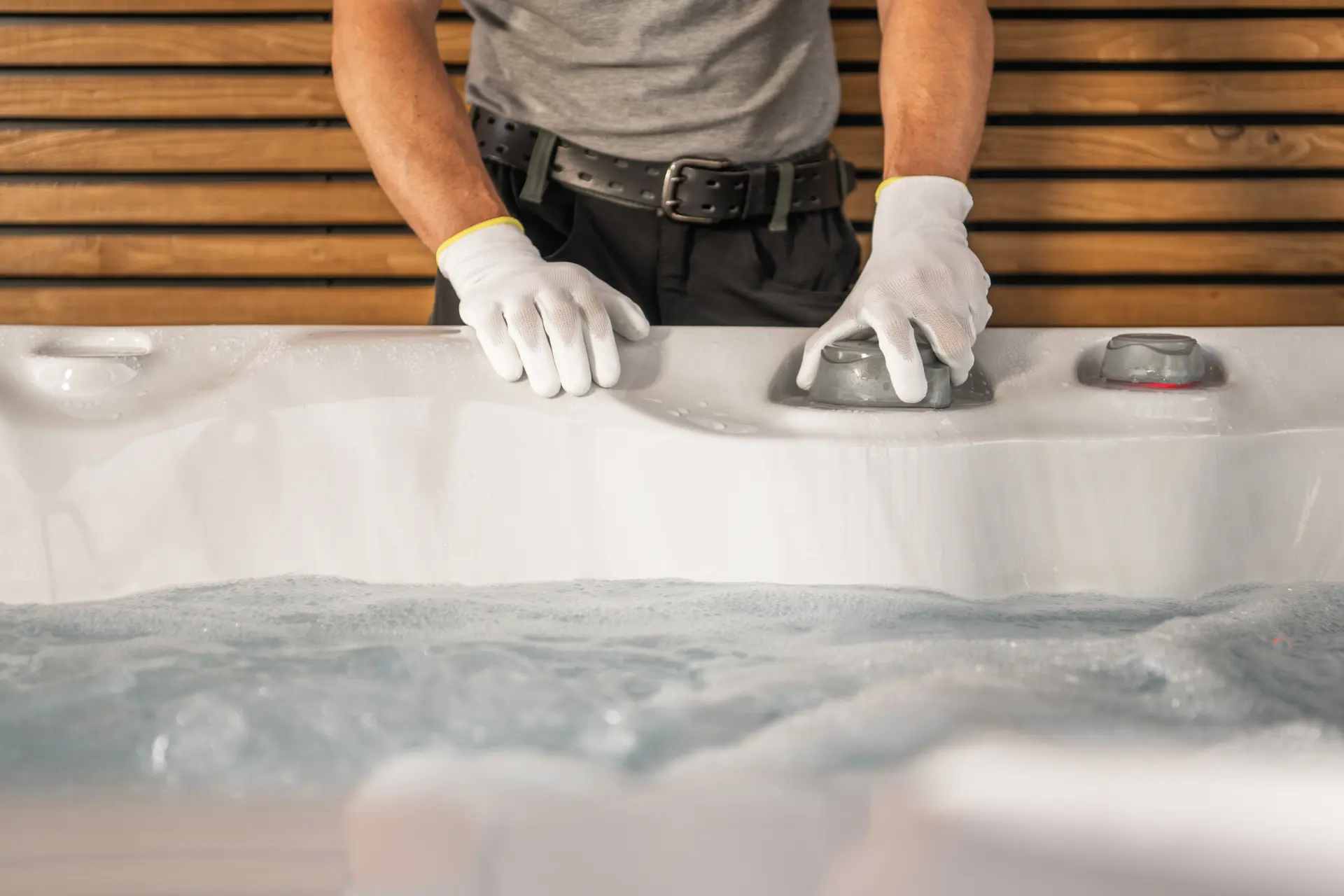
Empty and scrub the shell on a regular schedule. Clean or replace filters as the maker suggests. Use a shock treatment after heavy use or after a party. Follow the label on any chemicals you add.
Keep the cover clean and dry so mould does not grow. Before you use a hot tub, shower with soap to remove lotions and sweat. After you use the tub, shower again to rinse off chemicals and any germs on the skin.
If you manage a shared tub, display clear information on when the water was last tested, who is responsible for cleaning, and what steps are taken to keep people safe. This helps everyone follow prevention rules and protects users’ rights to accurate information.
When to avoid using a hot tub
Stay out if you have an open wound, a skin infection or diarrhoea. Do not let children with tummy bugs enter the water. People who are sick, or have a fever or a bad cough, should avoid the tub until well. If the water looks dirty, feels slimy or smells strong, do not use it. In that case, clean the system first and check that the disinfectant and pH are within range before you start the jets.
What to do if you develop symptoms
Stop using the tub and speak to a clinician if you notice a rash, pus filled spots, fever, cough, muscle aches, shortness of breath or ongoing tiredness after using hot tubs.
In case you need treatment, note the date you used the tub, how long you stayed in, and any steps you took to clean it. If more than one person becomes sick, contact your local health team. They may explore whether the hot tub may be the source of infection and provide guidance to prevent further cases.

Reliable sources and further reading
For clear prevention steps and up-to-date advice, check the CDC website for centres for disease control and prevention guidance. The CDC recommends staying out of the water if you are ill, checking levels each day, and keeping your tub clean.
You can also find information about symptoms, infection risks and treatment options for Legionnaires’ disease, Pontiac fever, hot tub rash and other health issues related to contaminated hot tub water.
If you have questions, contact a healthcare professional or your local council’s environmental health team for advice by phone or email. For general consumer safety information, visit official health websites that use secure https addresses and follow their instructions.
Quick checklist to keep in mind
Make sure you test chlorine or bromine every day, keep pH in range, clean filters, and replace water on a regular schedule. Do not use a hot tub after drinking alcohol. Limit time in the water, especially for children and during pregnancy. Follow the maker’s instructions for chemicals and cleaning. These steps protect people from infection, reduce illness risks and help everyone stay safe while enjoying their tubs.
At The Hot Tub Engineer, I provide expert-level services for hot tubs, swim spas, and pools in and around Maidstone, Kent. I can carry out yearly servicing appointments, as well as cleaning sessions, general maintenance, installations, and more.